

Can Red Light Therapy Regrow Gums or Support Healing?


Last Updated on April 9, 2026
Feeling your gums pull back can be unsettling. Teeth look longer. Sensitivity creeps in. You start searching for gentle, natural ways to fix it. That’s where red light therapy for gums enters the conversation.
In the space of wellness and recovery, it sounds promising. A non-invasive method that supports healing without harsh procedures. But the real question stays simple. Can red light therapy regrow gums, or just support healing?
I’m going to walk you through this clearly. No hype. Just what happens in your body, what this therapy can realistically do, and where its limits are.
Can Red Light Therapy Actually Regrow Gum Tissue?
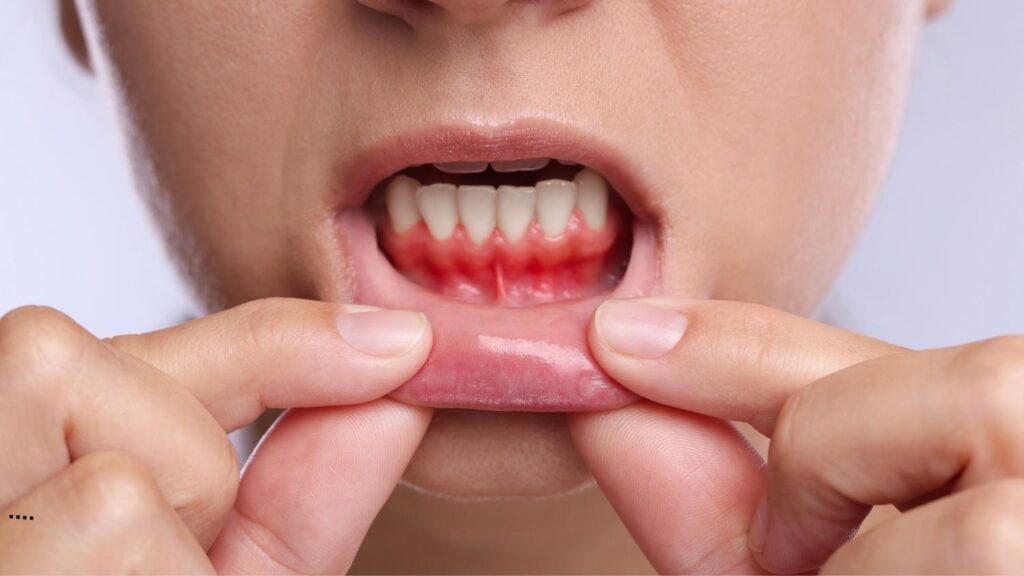
This is the core concern. Gum loss feels visible and urgent. This section explains what “regrowth” really means in dentistry and where photobiomodulation therapy fits in realistic terms.
What Gum Regrowth Really Means In Dentistry
Quick clarity matters. In dentistry, gum regeneration means rebuilding lost tissue, including attachment to the tooth and underlying bone support. That’s a complex biological process.
Healing is different. Healing means reducing inflammation, improving tissue health, and preventing further damage. Many people confuse these two.
When you look at treatments:
- Regeneration involves surgical or guided procedures
- Healing focuses on restoring tissue function
- Stability prevents further recession
Why does this matter? Because most non-invasive methods, including red light therapy, support healing, not full regeneration. That distinction helps you set realistic expectations early.
Why Gums Do Not Easily Grow Back Once Lost
Gum tissue is not like skin. It doesn’t regenerate freely once detached. The deeper issue is attachment loss, where gums pull away from the tooth and supporting bone weakens.
This process often involves:
- Breakdown of connective tissue
- Loss of collagen structure
- Changes in the periodontal ligament
Once this structure is damaged, the body cannot easily rebuild it without intervention. That’s why gum recession tends to progress slowly if untreated.
You might improve gum health. You might reduce inflammation. But the original gum line rarely returns on its own.
What Red Light Therapy Is Designed To Do
Let’s keep this grounded. Red light therapy works by delivering specific wavelengths of light that penetrate soft tissue. This stimulates cellular activity, especially in the mitochondria.
What it supports:
- Increased cellular energy production
- Better blood circulation
- Reduced inflammation
- Improved tissue repair
What it does not do:
- Rebuild lost gum structure
- Restore deep attachment levels
- Reverse advanced periodontal damage
In real life, I’ve seen patients report less bleeding and healthier-looking gums. But the gum height itself usually stays the same.
Can Red Light Therapy Regrow Gums or Just Support Healing?

Now let’s shift focus. If it doesn’t regrow gums, what does it actually do? This section explains how light therapy interacts with gum tissue and why people still benefit from it.
Cellular Repair And Mitochondrial Activity
It starts at the cellular level. Photobiomodulation stimulates mitochondria, which are responsible for producing energy inside your cells.
More energy means faster repair. Your gum cells can respond better to irritation or minor damage. This supports overall tissue resilience.
Red light therapy improves cellular energy, which helps gum tissue repair itself faster and more efficiently after irritation or inflammation.
That doesn’t rebuild lost tissue, but it creates a healthier environment for recovery. This is especially useful in early-stage gum issues.
Reduction In Gum Inflammation And Swelling
Inflammation drives most gum problems. Redness, swelling, and bleeding often come from gingivitis or early periodontal disease.
Red light therapy helps calm this response by reducing inflammatory signals in the tissue. That leads to:
- Less bleeding during brushing
- Reduced swelling
- Improved comfort
Why does this matter? Because inflammation is what pushes gum recession forward. Controlling it slows progression.
Many people notice their gums feel calmer within weeks. That’s not regrowth. It’s stabilisation.
Improved Blood Flow To Gum Tissue
Healthy gums need circulation. Oxygen and nutrients reach the tissue through blood flow. When circulation improves, healing improves.
Red light therapy enhances microcirculation in the gums. This creates a better environment for tissue repair.
Improved blood flow from red light therapy supports healing by delivering more oxygen and nutrients to gum tissue, helping it recover from irritation and inflammation.
This effect is subtle but important. It supports long-term gum health rather than quick visual changes.
Collagen Support In Soft Tissue
Collagen gives your gums structure and strength. When inflammation damages collagen, gums become weaker and more prone to recession.
Red light therapy may support collagen production in soft tissue. This helps maintain gum firmness and resilience.
However, this is not the same as rebuilding lost gum layers. It supports what is still there.
In practice, this can mean:
- Gums feel firmer
- Tissue looks healthier
- Sensitivity may reduce
It’s support, not reversal.
When Can It Help And When Is It Not Enough?
This is where clarity protects you. Red light therapy has a place, but it also has limits. This section helps you understand when it fits into your care and when you need more support.
Early Gum Disease And Mild Recession
Timing matters. In early stages, such as gingivitis or slight recession, the gums are inflamed but not severely damaged.
This is where red light therapy can help most. It supports healing and slows progression.
You may notice:
- Reduced bleeding
- Less gum tenderness
- Improved colour and tone
Why does this matter? Because early action prevents deeper damage.
When combined with good oral hygiene, this therapy can stabilise your gums and protect what you still have.
Advanced Gum Loss And Periodontal Damage
Different situation. Once periodontal disease progresses, deeper structures are affected. Bone loss and attachment loss become significant.
At this stage, red light therapy alone is not enough. It cannot rebuild:
- Lost bone
- Deep gum attachment
- Structural support
Red light therapy cannot reverse advanced gum loss because it does not rebuild bone or deep tissue attachment. Professional dental treatment is required for true regeneration.
This is where procedures like gum grafting or guided regeneration come in. Supportive therapies can still help healing, but they are not the main solution.
Difference Between Slowing Damage And Reversing It
This distinction matters more than anything. Many people look for reversal when the realistic goal is stability.
Slowing damage means:
- Reducing inflammation
- Protecting existing tissue
- Preventing further recession
Reversing damage means rebuilding what is already lost. That requires more complex intervention.
Red light therapy sits firmly in the first category. It supports stability. It helps your gums stay healthier over time.
What Dental Treatments Actually Regrow Gums
When true regrowth is needed, dentistry offers structured solutions. These are designed to rebuild lost tissue.
Common options include:
- Gum graft surgery
- Guided tissue regeneration
- Laser-assisted periodontal procedures
These treatments aim to restore attachment and protect the tooth root. They are more involved but necessary in advanced cases.
In many cases, supportive therapies like red light can still be used alongside them to improve healing outcomes.
How To Support Gum Healing With Or Without Red Light Therapy
Now let’s bring this into your daily routine. Therapy alone isn’t enough. Gum health improves through consistent, simple habits that protect and support tissue over time.
Consistent Oral Hygiene Habits That Protect Gums
Basics matter more than anything. Gentle and consistent care protects your gums from ongoing damage.
Focus on:
- Soft-bristled brushing twice daily
- Gentle circular motion along the gum line
- Daily flossing without force
Why does this matter? Because aggressive brushing can worsen a recession.
Small changes in technique often lead to noticeable improvements in gum comfort and health within weeks.
Anti-Inflammatory Nutrition For Gum Health
What you eat affects your gums. Inflammation in the body shows up in oral tissue as well.
Support your gums with:
- Vitamin C for collagen support
- Vitamin D for immune balance
- Omega-3 fatty acids for inflammation control
These nutrients help your body repair tissue more effectively.
In practice, people who improve their diet often notice less gum sensitivity and bleeding over time.
Using Red Light Therapy Safely At Home
Home devices are becoming more common. They can support gum health when used correctly.
Keep it simple:
- Follow device-specific timing guidelines
- Position light close to gum tissue
- Use consistently, not occasionally
Consistency matters more than intensity. Overuse does not speed results.
At-home red light therapy can support gum healing when used consistently and correctly, but it should not replace proper oral care or professional dental advice.
Think of it as a supportive tool, not a standalone solution.
Combining Therapy With Professional Dental Care
Best results come from combination care. Professional cleaning removes plaque and bacteria that at-home care cannot fully address.
Regular dental visits help:
- Monitor gum changes
- Catch early signs of disease
- Guide appropriate treatment
Red light therapy can then support healing between visits.
This balanced approach leads to better long-term outcomes.
Avoiding Habits That Worsen Gum Recession
Some habits quietly damage your gums over time. Awareness helps you prevent further loss.
Common triggers include:
- Aggressive brushing
- Smoking
- Teeth grinding
- Poor oral hygiene
Removing these factors protects your progress.
In many cases, stopping harmful habits slows or even halts further recession.
Monitoring Changes In Gum Condition
Progress isn’t always dramatic. Small signs matter.
Look for:
- Less bleeding when brushing
- Reduced sensitivity
- Healthier gum colour
Watch for warning signs too:
- Increasing recession
- Persistent pain
- Gum pockets forming
Tracking changes helps you respond early. That makes a real difference over time.
Managing Sensitivity And Gum Discomfort
Gum issues often come with sensitivity. This can affect daily comfort and eating habits.
Simple strategies help:
- Use desensitising toothpaste
- Avoid extreme temperatures
- Maintain gentle oral care
Red light therapy may also reduce discomfort by calming inflammation.
Comfort improves gradually when irritation is reduced consistently.
Setting Realistic Expectations For Healing
This is where most confusion happens. Healing takes time, and results are often subtle.
Expect:
- Gradual improvement over weeks
- Better comfort before visual change
- Stability rather than reversal
Why does this matter? Because expecting fast regrowth leads to frustration.
When you understand the process, you stay consistent. That’s what protects your gum health long term.
FAQs About Red Light Therapy And Gum Health
Can Gums Grow Back Naturally Without Surgery?
Gums rarely grow back once a significant recession occurs. Mild irritation can heal, but lost tissue and attachment usually do not regenerate without professional treatment like grafting.
How Long Does Red Light Therapy Take To Work On Gums?
Most people notice reduced inflammation within a few weeks. Visible structural changes are unlikely, but comfort and gum health may improve gradually with consistent use.
Is Red Light Therapy Safe For Teeth And Gums?
Yes, when used properly. It is non-invasive and generally safe, but it should follow device guidelines and not replace dental care.
Can It Replace Dental Treatment For Gum Disease?
No. It supports healing but cannot treat advanced gum disease or replace procedures needed for tissue restoration.
Are At-Home Devices Effective For Oral Use?
They can support gum health if used consistently, but results are mild and depend on overall oral care habits.
Final Thoughts
Gum health often feels fragile when recession begins. It’s easy to look for something that restores everything quickly. Red light therapy offers support, not reversal. It helps calm inflammation, improve circulation, and protect what remains.
From a clinical perspective, that still holds value. Stability matters more than perfection. When you combine simple daily care with the right expectations, your gums can stay healthier, stronger, and more comfortable over time.






Add your first comment to this post