
What Yellow Light Therapy Does? Benefits, Uses, And What To Expect!

Last Updated on July 1, 2026
Sometimes your skin or energy feels out of balance, and conventional treatments don’t seem enough.
Yellow light therapy offers a gentle, scientifically supported method to restore calm, support healing, and promote wellness and recovery. Used consistently, it can improve skin tone, reduce redness, and enhance circulation.
In this guide, I’ll break down exactly what yellow light therapy does, how it works, and how you can safely integrate it into your wellness routine.
By the end, you’ll have clear answers about its benefits, proper use, and what to realistically expect.
Understanding Yellow Light Therapy
Yellow light therapy is more than a cosmetic trend. This section explains the science, differences from other therapies, and why it matters for skin and wellness.
What Is Yellow Light Therapy?
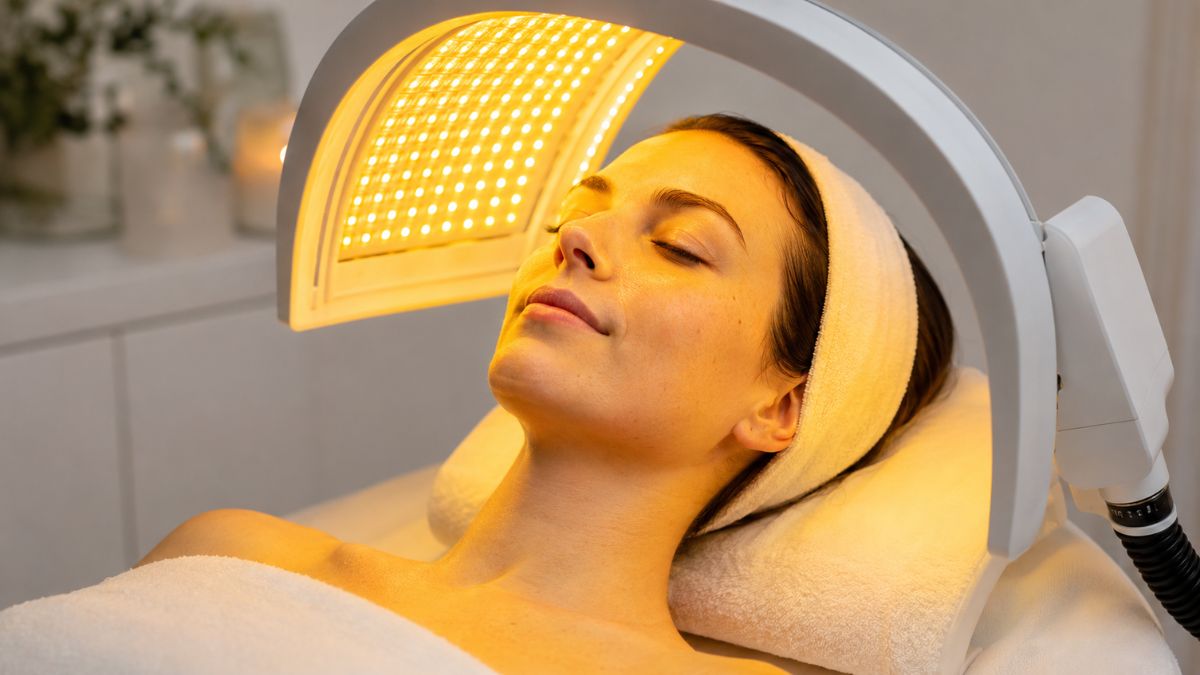
Yellow light therapy uses a narrow spectrum of light, typically 590–620 nm, to gently penetrate the skin. Unlike UV or harsh bright light, it stimulates cells without damaging tissue. Its focus is on skin repair, calming redness, and promoting circulation.
You may see it listed alongside red or infrared light therapies, but yellow light specifically targets subtle inflammation and sensitive areas, making it ideal for reactive or mature skin.
It can be administered in professional clinics or through at-home LED devices, offering flexibility for your wellness routine.
How Yellow Light Therapy Works
The mechanism is straightforward yet powerful. Yellow light penetrates the skin just deep enough to stimulate fibroblasts, the cells responsible for collagen and elastin production.
This helps strengthen the skin’s structure while improving microcirculation, which reduces redness and supports tissue repair.
By increasing cellular energy (ATP), it enhances natural healing processes. In short, it boosts your skin’s resilience and appearance without invasive procedures.
Science Behind the Therapy
Research shows yellow light therapy can:
- Reduce erythema (skin redness) in sensitive skin
- Improve vascular tone for better skin circulation
- Support wound healing and minor inflammation
Studies from dermatology journals suggest consistent use 2–3 times per week can produce measurable improvements in skin tone within a few weeks. While more research continues, existing evidence supports its safe, non-invasive role in wellness and recovery.
Comparing Yellow, Red, and Infrared Light
Each light spectrum serves different purposes:
- Red light (620–750 nm): Deeper penetration, boosts collagen, improves overall skin elasticity
- Infrared light (700–1200 nm): Reaches deeper tissues, supports muscle recovery and circulation
- Yellow light (590–620 nm): Targets redness, sensitive skin, and superficial tissue healing
Combining these therapies can be beneficial, but yellow light is gentler and ideal for frequent use on delicate skin areas.
Also Read: Red Light Therapy For Skin and Sleep
What Yellow Light Therapy Does – The Benefits
Yellow light therapy offers both visible and subtle benefits for skin and overall wellness. This section outlines what you can realistically expect.
Skin Benefits
The most noticeable results are often on the face and neck. Yellow light helps:
- Reduce redness from rosacea or irritation
- Even skin tone for a calmer complexion
- Minimize mild pigmentation issues
These effects occur gradually, supporting your skin’s natural repair rather than masking issues. Many notice a softer, brighter appearance after a few sessions, making it ideal for sensitive or reactive skin types.
Healing and Recovery
Yellow light also aids microcirculation and tissue repair. Benefits include:
- Faster recovery from minor irritation or sun exposure
- Improved skin elasticity and firmness
- Gentle support for post-procedure recovery (like after chemical peels)
The calming effect on inflamed tissues makes it a practical addition to a recovery routine, especially for those looking to support skin health without harsh interventions.
Emotional and Sensory Effects
Beyond physical results, yellow light can create a soothing sensory experience. Many people report:
- A sense of calm during sessions
- Reduced skin discomfort or tingling
- Integration into relaxation practices, like mindful breathing or gentle stretching
This makes yellow light therapy a dual benefit tool, improving skin while supporting mental wellness.
Supporting Sensitive Skin
Unlike stronger light therapies, yellow light is generally safe for sensitive or reactive skin. It does not overstimulate blood vessels and rarely causes irritation.
For those managing rosacea or redness, a few consistent sessions can provide noticeable soothing and skin tone improvements. Short, regular exposures are preferable to infrequent long sessions
Also Read: Does Red Light Therapy Tighten Skin?
How To Use Yellow Light Therapy Safely
Knowing how to integrate yellow light therapy ensures you maximize benefits while minimizing risk.
Session Duration and Frequency
- Typical sessions last 10–20 minutes
- Frequency: 2–4 times per week depending on skin sensitivity
- Start with shorter sessions and gradually increase duration
Following this routine promotes steady, safe results without overwhelming the skin.
At-Home Devices vs. Professional Treatments
At-home devices offer convenience and flexibility. Look for:
- LED panels in the correct 590–620 nm range
- Adjustable distance and timer functions
- Safety certifications (FDA or CE marked)
Professional clinics provide stronger devices and guidance for skin-specific concerns. Both options support wellness, but at-home routines require consistency for noticeable improvements.
Combining with Other Therapies
Yellow light can complement:
- Red or infrared light therapy for deeper repair
- Gentle skincare products, like serums and moisturizers
- Mindful wellness routines, such as meditation or restorative yoga
Avoid layering treatments that irritate the skin, like harsh chemical exfoliants, immediately before sessions.
Skin Preparation and Aftercare
- Clean skin before sessions to avoid blocking light penetration
- Apply lightweight, non-reflective moisturizer after sessions
- Limit sun exposure immediately afterward to reduce irritation
Proper preparation ensures maximum absorption and safe use.
Who Should Avoid It?
Most adults can safely use yellow light therapy, but avoid if:
- You are photosensitive or taking photosensitive medications
- You have active skin infections in the treatment area
- You have certain eye conditions; always wear protective goggles during facial sessions
Consult a healthcare provider if unsure, especially for pregnancy or chronic conditions.
Common Side Effects and How to Minimize Them
Yellow light therapy is generally safe. Minor issues can include:
- Temporary redness or warmth
- Mild dryness
To reduce risk:
- Start with short sessions
- Maintain recommended distance from the device
- Use a gentle moisturizer afterward
Adhering to these tips ensures a calm, restorative experience with minimal irritation.
Expected Results And Realistic Outcomes
Setting realistic expectations helps you track progress and avoid frustration.
How Quickly You Can See Results
- Initial effects: subtle calmness, reduced redness after 1–2 sessions
- Noticeable improvements: typically within 3–4 weeks of consistent use
- Skin response varies by age, skin type, and existing conditions
Consistency is key; avoid expecting overnight transformations.
Long-Term Benefits
- Gradual skin tone improvement
- Reduced sensitivity and inflammation over months
- Support for cellular repair and skin resilience
Long-term commitment to a safe routine produces visible and lasting wellness outcomes.
Tracking Your Progress
- Take before-and-after photos under consistent lighting
- Maintain a journal of session frequency and skin response
- Note subtle improvements in tone, calmness, and texture
Tracking helps you identify which routine works best for your skin type.
Integrating Into Daily Wellness
Yellow light therapy works best as part of a holistic wellness approach. Combine with:
- Mindful breathing or meditation
- Gentle exercise or stretching
- Hydrating skincare and nutrition
This integration enhances both physical and emotional benefits, creating a sustainable wellness habit.
Final Thoughts
Yellow light therapy is a gentle, effective way to support skin health, calm inflammation, and improve overall wellness. Its benefits are subtle but cumulative, rewarding consistent use with smoother, more even-toned skin.
By understanding how it works, using proper timing, and pairing it with holistic wellness habits, you can safely enhance both your appearance and your sense of calm.
Thoughtful integration into your routine ensures results that feel natural, grounded, and supportive for long-term recovery and well-being.





Add your first comment to this post