

Can I Take Hot Shower After Ice Bath? Here’s The Way!


Last Updated on October 25, 2025
After an intense workout or a stressful day, slipping into an ice bath can feel like the ultimate test of discipline. The chill stings, the breath catches, and every second stretches longer than it should.
When it’s finally over, all you crave is warmth—maybe even a steaming shower to thaw your skin. It’s at this point that many people start wondering, can I take hot shower after ice bath, or will that undo all the recovery benefits they just worked for?
As a wellness and recovery coach, I hear this question often from clients experimenting with contrast therapy and recovery routines. The answer isn’t as simple. It depends on how your body responds to sudden temperature shifts and how it manages the transition.
Let’s explore what really happens when you switch from icy to hot, and how to do it the right way.
The Ice Bath Recovery Debate – Hot Shower Or Not?

It’s completely natural to crave heat after cold. Your body just went through intense temperature stress, and a hot shower seems like a comforting reward.
But this contrast, moving from extreme cold to immediate warmth, can have mixed effects depending on your timing and your body’s condition.
The wellness world often debates this: Should you reheat right away or let your system stabilize first? Let’s break it down.
A hot shower after an ice bath can encourage circulation and relaxation when done at the right time. However, jumping in too soon can cause dizziness, lightheadedness, or even fainting due to rapid shifts in blood pressure.
That’s why professional athletes and therapists often suggest waiting before turning on the tap. You can also read my blog on how long to wait to shower after an ice bath.
What Happens To Your Body During And After An Ice Bath
Your body reacts to cold immersion with precision. When you step into icy water, blood vessels constrict, blood flow moves inward to protect your core, and inflammation starts to lower. It’s a built-in survival mechanism that also happens to help your muscles recover faster.
Once you step out, the body begins its rewarming phase, which is the part many overlook. This stage is crucial because your blood vessels slowly reopen, circulation restarts, and your nervous system begins to relax.
Jumping right into a hot shower too soon can overwhelm that process. According to research, sudden thermal shifts may increase cardiovascular strain, particularly for those new to cold therapy or with pre-existing health conditions.
The Body’s Temperature Regulation Process
When you leave an ice bath, your core temperature remains low for several minutes. Your body naturally triggers shivering, muscle tension, and hormonal responses to restore warmth. These subtle signals mean your internal systems are recalibrating.
Rushing into high heat can confuse this process. Instead of allowing your temperature to rise gradually, hot water forces dilation of constricted vessels too fast. That rapid change can cause lightheadedness or even nausea.
A more balanced approach, drying off, layering up, and letting your body rewarm, supports a smoother transition. It’s a gentler way to respect your body’s recovery rhythm.
Common Post-Ice Bath Symptoms to Notice
It’s normal to feel slightly numb, shaky, or tingly right after cold immersion. Your skin might look pink or blotchy as blood flow returns. These are typical signs of vascular recovery, not cause for alarm.
However, if you notice persistent dizziness, chest tightness, or shallow breathing, it’s best to avoid any temperature extremes, including hot showers, until you feel stable. These symptoms may suggest your system is still adjusting.
Most healthy individuals can rewarm safely within 20–30 minutes through natural heat retention; blankets, warm drinks, or light movement. Listen closely to what your body is telling you before stepping under that stream of heat.
Read Also: Can Ice Baths Make You Sick?
The Pros And Cons Of Taking A Hot Shower After An Ice Bath

Like many recovery choices, this one depends on timing, intention, and awareness. A warm shower after cold exposure isn’t inherently bad. In fact, when done correctly, it can enhance comfort and circulation.
But if done too soon, it may counteract some of the very benefits you sought from the ice bath. Let’s look at both sides of the story.
The Potential Benefits (When Done Mindfully)
When you wait for your body to stabilize, a gentle warm shower can feel like a reset button. The gradual heat encourages vasodilation, allowing blood to return smoothly to your muscles.
This promotes nutrient delivery, reduces stiffness, and helps you feel grounded after the shock of cold.
Some people even practice contrast therapy, alternating between hot and cold exposure to improve circulation and resilience. The key here is mindfulness, i.e., introducing warmth slowly and with attention to how your body responds.
A warm rinse can also support emotional recovery. There’s something profoundly calming about feeling warmth after enduring cold, it soothes both the body and the mind.
The Risks of Rushing into a Hot Shower
On the other hand, hopping into hot water immediately after your ice bath can do more harm than good. The sharp temperature jump causes your blood vessels to expand rapidly, which can lead to dizziness or a sudden drop in blood pressure.
You might also undo some of the anti-inflammatory effects gained from the cold exposure. Rapid heating increases blood flow too quickly, potentially reintroducing inflammation into the tissues you were trying to calm.
For individuals with heart conditions or circulation issues, this sudden shift can be especially risky. That’s why it’s best to rewarm naturally before adding external heat. Your body thrives on gradual transitions, not thermal shocks.
The Ideal Post Ice Bath Routine – Step-By-Step Guide

Recovery doesn’t end when you step out of the ice bath. The way you rewarm and restore afterward is just as important as the plunge itself. Your body has gone through a shock response, and easing it back into equilibrium is key to getting the most out of your cold therapy.
Let’s walk through the ideal post-ice bath routine—one that supports healing, balance, and mindful wellness.
Step #1 – Rewarm Naturally First
The first thing your body needs after an ice bath is time, not heat. Dry off completely, wrap yourself in a soft towel, and put on warm clothes. Let your internal systems recalibrate before adding external warmth.
During this stage, your metabolism is working hard to restore normal temperature.
Natural rewarming helps regulate circulation and prevents dizziness. Sit in a cozy environment, maybe sip something warm, and give your body those first 15–30 minutes of calm adjustment. It’s one of the simplest yet most overlooked recovery steps.
Step #2 – Hydrate and Replenish Electrolytes
Cold immersion affects more than just temperature; it influences hydration and electrolyte balance too. As your body readjusts, fluid shifts occur within cells and tissues.
Replenish gently. Drink water or natural electrolyte sources such as coconut water or a pinch of sea salt in lemon water. These restore sodium and potassium levels, keeping your muscles and nerves functioning well.
Hydration also helps with circulatory recovery, easing the transition as your blood vessels reopen. Think of it as helping your internal systems flow smoothly again.
Step #3 – Gentle Movement or Stretching
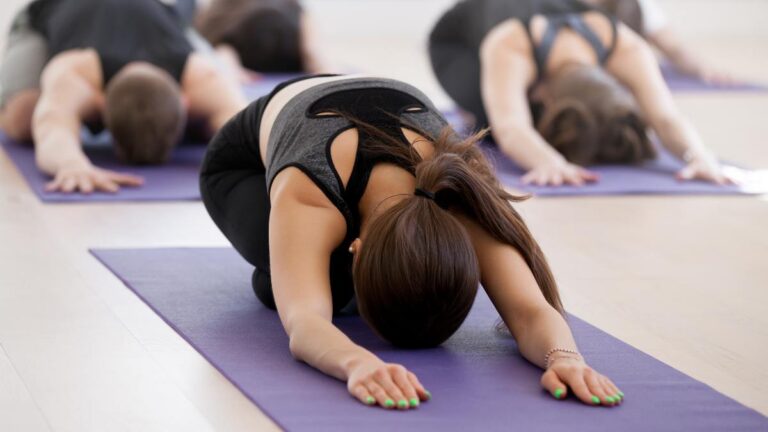
After you’ve rehydrated, light movement is your friend. Gentle walking, yoga stretches, or mobility exercises promote circulation and reduce post-immersion stiffness.
This phase encourages blood flow to the extremities, helping the body finish its warming process naturally. A few shoulder rolls, calf stretches, or slow squats can make a noticeable difference.
Avoid high-intensity activity right away. The goal here is to support recovery and not restart exertion. Movement should feel restorative, not demanding.
Step #4 – Optional Warm Shower or Bath
Now that your body has warmed up on its own, a warm shower after an ice bath can be incredibly soothing. Keep the water at a comfortable, moderate temperature, not steaming hot.
Stay under for five to ten minutes at most, focusing on relaxation rather than intensity. Let the warmth ease any lingering muscle tension and bring a sense of calm.
This step bridges physical recovery with emotional comfort. A mindful, short shower helps the nervous system settle and signals the body that the hard work is done.
Step #5 – Contrast Therapy Option for Advanced Recovery
If you’re already familiar with both heat and cold exposure, you can experiment with contrast therapy, alternating between warm and cool bursts. This can boost circulation and accelerate metabolic recovery.
For example, 2 minutes of warm water followed by 30 seconds of cool, repeated 3–4 times. But this approach isn’t for everyone. Those with cardiovascular concerns should avoid it or consult a healthcare provider first.
Contrast therapy can feel invigorating, but it must be practiced consciously. If your goal is recovery and relaxation, simplicity often works best.
Step #6 – Mindful Breathing or Relaxation Practice
Cold exposure activates the sympathetic nervous system, i.e., the body’s “fight or flight” mode. Afterward, it’s essential to help the parasympathetic system, or “rest and digest,” take over.
One of the best ways to do this is through mindful breathing. Sit quietly, close your eyes, and take slow, deep breaths, in through your nose, out through your mouth.
This lowers heart rate, restores oxygen balance, and helps your body integrate the recovery process. Pair it with calming music or meditation for added grounding. Wellness isn’t only about the body; it’s about how the mind returns to stillness.
Step #7 – Nourish Your Body
Food plays a vital role in post-ice bath recovery. After temperature stress, your body craves nutrients to repair tissue and restore energy.
Choose a balanced meal with lean protein, complex carbs, and antioxidants. Think grilled salmon with spinach and quinoa, or a smoothie with berries, yogurt, and honey. These options provide amino acids for muscle repair and antioxidants to reduce oxidative stress.
Mindful eating also enhances your body’s sense of safety and regulation, turning recovery into a nurturing experience.
Step #8 – Rest and Reflection
The final step is often the quietest but most healing: rest. Once your body is rewarmed, hydrated, and fed, take time to simply be.
Whether that means reading, meditating, or journaling, this pause helps your system fully integrate the wellness and recovery cycle. Reflect on how your body feels, what sensations arise, and how your mind shifts after the experience.
This gentle awareness turns a physical practice into a holistic ritual, one that strengthens not just your muscles but your connection to self-care.
Who Should Avoid Hot Showers Right After An Ice Bath

Even with all the benefits, there are times when it’s better to skip the heat entirely. Not everyone’s body handles extreme temperature shifts the same way.
Those with heart conditions, hypertension, or circulatory disorders should be particularly cautious. Sudden vasodilation (expanding of blood vessels) caused by hot water can stress the cardiovascular system.
If you’ve just finished an intense workout or still feel cold internally, it’s better to wait. As sports therapist Dr. Emily Carter notes, “If you feel faint or overheated, skip the hot shower and let your body normalize first.”
Ultimately, listening to your body’s cues is the most important rule. If something feels off, even slightly, rest first, rehydrate, and give yourself more time before adding warmth.
Read Also: Ice Bath Before Or After Workout
Expert Tips For Safe And Soothing Recovery
Once you understand the balance between cold and warmth, you can tailor your recovery ritual with confidence. A few mindful tweaks make all the difference.
- Stay within your comfort zone. Recovery shouldn’t feel forced or rushed.
- Keep the water warm, not hot. Extremes can disrupt your body’s healing rhythm.
- Moisturize after showering to prevent dryness from cold and heat exposure.
- Dress warmly afterward to retain the comfort your body worked hard to regain.
A balanced recovery practice builds resilience, not by pushing harder but by restoring smarter.
Quick Recap – Safe Post-Ice Bath Practices
- Wait 15–30 minutes before taking a hot or warm shower
- Choose lukewarm water instead of extreme heat
- Hydrate and move gently before adding temperature contrast
- Practice breathing or mindfulness to support nervous system balance
- Always listen to your body’s signals
- Recovery isn’t about perfection—it’s about presence.
Conclusion – Can I Take Hot Shower After Ice Bath?
Your body’s recovery is a delicate conversation between cold and warmth, tension and release. Giving it time to find its rhythm after an ice bath is one of the kindest things you can do for yourself.
Whether you end your session with a cozy blanket or a gentle warm shower, the goal is balance, not extremes. When you treat the transition as part of the ritual, you transform simple recovery into mindful self-care.
Each plunge, each breath, and each moment of warmth becomes an act of listening, and that’s where true wellness begins.
Sources
- Tiina M. Ikäheimo, et al. (2017). Cardiovascular diseases, cold exposure and exercise
https://www.tandfonline.com/doi/full/10.1080/23328940.2017.1414014

Add your first comment to this post