

Cold Shower Vs. Ice Bath – Which Boosts Recovery The Most?


Last Updated on September 27, 2025
Muscle soreness after a workout, fatigue after a long day, or the need for an instant mental reset often leads to one question: cold shower vs. ice bath, which actually works better?
Both have been celebrated in wellness and recovery circles for their ability to reduce inflammation, boost circulation, and sharpen mental clarity. Yet, they’re not identical. One is quick and accessible, while the other demands time, preparation, and a bit of grit.
As a registered nurse and wellness consultant, I’ve seen how these practices can transform recovery and self-care. In this guide, I’ll walk you through the differences so you can confidently choose what supports your health, energy, and mindful living.
Difference Between Cold Shower And Ice Bath

Understanding the difference is the first step to knowing which one truly fits into your lifestyle. A cold shower usually means standing under cool running water, often between 50–60°F, for a few minutes. It’s quick, easy, and requires no special setup.
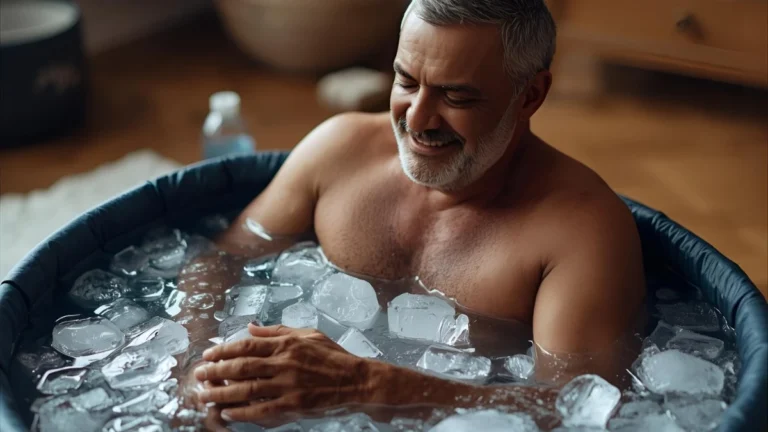
An ice bath, on the other hand, is more intense, submerging the body in water cooled to around 35–50°F, often with added ice. This immersion allows deeper recovery and inflammation relief that a shower can’t fully provide.
So, which is better? The truth is, it depends on your goals. If you need an energizing daily ritual, cold showers shine. If your focus is athletic recovery and reducing muscle soreness, ice baths deliver the stronger effect.
The Science Behind Cold Exposure
Cold exposure isn’t just a wellness trend, it’s rooted in how the body adapts to stress. When you step into cold water, blood vessels constrict, inflammation decreases, and the nervous system shifts into alertness.
This physiological cascade can lead to faster recovery, improved circulation, and even a calmer mind after the initial shock. Studies show that cold water immersion can reduce muscle soreness by up to 20–25% within 24–48 hours of exercise.
That’s why athletes often sit in ice baths after grueling training sessions. Cold showers also tap into these responses but with less intensity, making them a great option for daily resilience.
Does that mean one is better than the other for your health? Not exactly. Both share overlapping benefits, but the depth and impact of results differ. That’s why your personal routine and goals matter most in deciding which practice to embrace.
Benefits Of Cold Showers

Cold showers may seem simple, but their impact on wellness is far from small. They’re accessible, quick, and surprisingly effective for both energy and recovery. Many people turn to them not just for physical benefits but also for mental clarity and stress relief.
- Everyday Accessibility
One of the strongest advantages of cold showers is accessibility. No ice, tubs, or preparation—just turn the dial. For people who want to ease into cold exposure, showers are a forgiving entry point. You can start with just 30 seconds at the end of your normal shower and slowly build tolerance.
- Circulation and Mental Clarity
Switching between hot and cold water stimulates circulation and leaves you feeling refreshed. The sudden temperature shift wakes up your nervous system, sharpening focus and mood. Studies suggest cold showers may even support reduced symptoms of mild depression and stress.
- Practical Uses
Cold showers are practical for everyday routines, especially when you need a quick reset. Feeling drained midday? A two-minute cold rinse can feel like a mental reboot. Unlike ice baths, they fit into a busy lifestyle without requiring dedicated setup.
Benefits Of Ice Baths

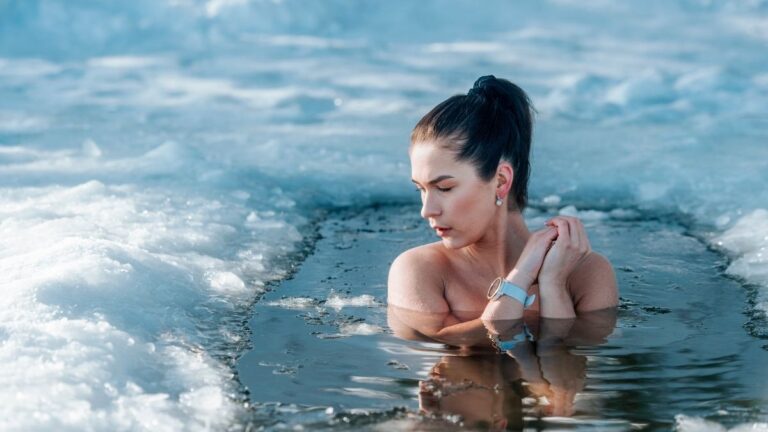
Ice baths go deeper, literally and figuratively. They demand more preparation, but their recovery effects are unmatched for athletes and people recovering from intense training. While intimidating at first, the immersion experience can become a grounding ritual.
Intense Muscle Recovery
Research shows ice baths reduce delayed onset muscle soreness (DOMS) and speed up recovery after high-intensity exercise.
By lowering tissue temperature, they minimize inflammation and muscle damage, making them a favorite among runners, weightlifters, and endurance athletes.
Hormonal and Nervous System Support
Immersing in very cold water triggers a surge of norepinephrine, a hormone linked to alertness, focus, and pain modulation.
At the same time, the parasympathetic nervous system activates, helping the body calm down once the initial shock passes. This dual effect can make ice baths both stimulating and deeply restorative.
When to Use Ice Baths
Ice baths aren’t for everyday use, but they shine after demanding workouts, long-distance runs, or competitions. For casual exercisers, they may feel excessive.
However, when the goal is deep recovery, no other form of cold exposure is quite as effective. You can also read my article on how many ice baths a week should you take.
Cold Shower Vs. Ice Bath – Key Differences
Both cold showers and ice baths serve the same purpose, exposing your body to cold for wellness and recovery, but their application and impact differ. The right choice depends on how deep you want the effect to be.
- Cold showers are accessible, energizing, and easy to add into daily life. They support circulation, boost mood, and build mental resilience.
- Ice baths are recovery-focused, powerful, and better suited for athletes or anyone tackling high physical demands.
In terms of cost, time, and convenience, cold showers win. But if your muscles are sore after intense training, an ice bath provides the more effective relief. Think of showers as a daily wellness practice and ice baths as a targeted recovery tool.
How To Choose What’s Best For You

Deciding between cold showers and ice baths comes down to your lifestyle, recovery needs, and tolerance for cold. There isn’t a universal best—only what’s best for your goals.
Your Goals and Lifestyle
Ask yourself: Do you want quick energy or deep recovery? If your priority is mental clarity, stress reduction, or daily resilience, cold showers will serve you well.
But if you’re pushing your body with endurance runs or heavy lifting, ice baths can cut down soreness and improve performance recovery.
Safety and Contraindications
Cold exposure isn’t for everyone. People with cardiovascular conditions, uncontrolled high blood pressure, or circulation disorders should approach cautiously or consult a professional first.
Both practices can be safe when started gently, but extreme cold immersion without guidance can cause risks.
Integrating Both Practices
You don’t have to choose one over the other. Many athletes and wellness enthusiasts use both, i.e., cold showers for daily grounding and ice baths once or twice a week after harder training.
Blending practices can help you get the best of both worlds: consistency and intensity.
Read Also: How To Keep Ice Bath Water Clean?
Final Thoughts – Cold Shower Vs. Ice Bath
Both cold showers and ice baths offer unique pathways to wellness and recovery. Cold showers bring daily accessibility, a quick mental lift, and a simple way to nurture resilience.
Ice baths, while more intense, shine when your body needs deeper recovery from demanding training or heavy physical stress. The real value lies in choosing what fits your life and goals, not forcing a one-size-fits-all approach.
You may find showers grounding during busy weeks and baths restorative after harder sessions. By listening to your body, you can let cold exposure become a mindful practice that supports both energy and recovery with calm intention.
Sources
- Chris Bleakley, et al. (2012). Cold‐water immersion (cryotherapy) for preventing and treating muscle soreness after exercise
https://www.cochranelibrary.com/cdsr/doi/10.1002/14651858.CD008262.pub2/full
- Nikolai A. Shevchuk (2008). Adapted cold shower as a potential treatment for depression
https://linkinghub.elsevier.com/retrieve/pii/S030698770700566X
- Kiera L. Vrindten M.B.S., et al. (2025). Thermal Modalities Including Hot Baths and Cold Plunges Play a Unique Role in Injury Prevention and Recovery
https://linkinghub.elsevier.com/retrieve/pii/S2666061X25000690



Add your first comment to this post