

Do Ice Baths Burn Fat? What You Need To Know?


The idea of melting fat through cold therapy sounds both fascinating and a little too good to be true. After all, could something as simple as sitting in icy water truly change your metabolism?
Many people trying to recover, reset, or find balance in their wellness journey ask the same question: do ice baths burn fat?
As someone who works closely with both the science and the spirit of wellness and recovery, I’ve seen how cold exposure affects the body—not just physically, but mentally.
The shock of the cold, the calm after the plunge, and the quiet strength it builds can shift more than just your mindset. But when it comes to fat loss, the answer requires clarity, not hype.
Let’s break down what’s really happening inside your body when you immerse in the cold, and what it means for mindful weight management.
The Cold Truth — Do Ice Baths Really Burn Fat?

When you first hear that an ice bath might “burn fat,” it sounds promising, right? Cold exposure does, in fact, trigger fascinating biological responses. But before jumping in, it’s important to understand what kind of fat we’re talking about—and how your body truly responds.
Do ice baths burn fat?
Ice baths can slightly increase calorie burn by activating brown fat, a special type of tissue that generates heat to keep you warm. When exposed to cold, your body works harder to regulate temperature, using stored energy as fuel.
However, ice baths alone don’t cause major fat loss unless they’re part of a balanced routine with healthy nutrition and movement.
So while the cold may spark your metabolism, it won’t magically shrink your waistline overnight. Think of it as a supportive tool for recovery and body awareness—not a weight loss shortcut.
Understanding How Cold Exposure Affects Your Body

Before expecting any visible change, you need to know how cold therapy influences your physiology. The reaction goes deeper than shivers—it’s a carefully designed stress that awakens your metabolism, circulation, and nervous system.
What Happens During an Ice Bath
When you immerse in cold water, your body reacts instantly. Blood vessels constrict to preserve core warmth, breathing quickens, and your heart rate spikes.
This stress response triggers thermogenesis, the process of producing heat to stabilize your temperature. As your system works harder, it burns more energy.
After you step out and rewarm, circulation expands again, flushing oxygen-rich blood through your muscles and aiding recovery. This is why athletes and wellness enthusiasts use ice baths to reduce inflammation and speed healing.
The Role of Brown Fat in Metabolism
Most fat in your body is white fat, stored for energy. But brown fat—also known as brown adipose tissue (BAT)—is different. It’s metabolically active, packed with mitochondria that burn calories to generate heat. Cold exposure activates this tissue, nudging your metabolism upward.
Research shows that people with higher brown fat activity have better energy balance and insulin sensitivity. Still, activating BAT doesn’t equal dramatic weight loss. It supports your body’s natural energy management system rather than replacing healthy habits.
Can Ice Baths Help With Weight Loss? The Science Explained
This is where expectations and reality meet. While cold exposure may increase calorie burn temporarily, the long-term effect on fat loss depends on multiple factors like diet, activity level, and hormonal health.
Short-Term Metabolic Effects of Cold Exposure
After a few minutes in the cold, your body can burn an extra 100–300 calories as it works to warm itself. This is the thermogenic response. However, this effect is short-lived. It’s similar to the energy burn from light exercise—not enough to replace regular movement or balanced eating.
That said, those short bursts can add up. Over time, they may help improve your metabolic flexibility and energy regulation when paired with consistent wellness habits.
Long-Term Fat Adaptation Possibilities
Repeated exposure to the cold can train your metabolism to become more efficient. Studies suggest that regular cold therapy may increase brown fat stores and enhance insulin sensitivity, which can indirectly support fat metabolism.
But weight loss isn’t just about calorie burn—it’s about balance. Ice baths may help your body adapt better to stress, improve recovery, and support a steady metabolism, which together create an environment more favorable for sustainable fat loss.
What Science Says So Far
According to a research study repeated cold exposure can enhance brown fat activity, but evidence for substantial fat loss remains limited.
Another study from the NIH found that while BAT activation increases energy expenditure, it’s modest compared to lifestyle-driven changes.
In other words, cold therapy may help your body work smarter, but it won’t replace mindful eating or movement.
Mindful Ways To Use Ice Baths For Wellness
When approached mindfully, ice baths can become more than a physical tool—they can be a wellness ritual for both body and mind. The goal isn’t to chase fat loss but to cultivate resilience, balance, and recovery.
Ways to Make Ice Baths Work for You
Start Slow
Begin with short exposures—two to three minutes in moderately cold water. Gradual adaptation prevents shock and builds tolerance safely.
Focus on Breathing
Deep, rhythmic breathing helps regulate your nervous system, transforming discomfort into calm focus. Breathwork makes each plunge more restorative.
Set a Comfortable Temperature
A range between 50–59°F (10–15°C) is ideal for most people. It’s cold enough to activate physiological responses without risking harm.
Stay Consistent
Two to three sessions per week yield better adaptation than infrequent dips. Consistency helps your body adjust naturally to cold exposure.
Pair With Movement
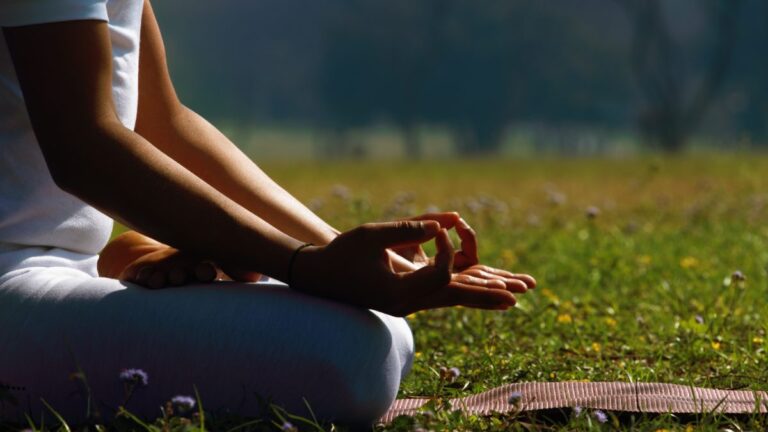
Complement your sessions with light movement like yoga or walking to keep your metabolism balanced and active.
Listen to Your Body
If you feel dizzy, numb, or overly fatigued, it’s time to step out. Recovery thrives on awareness, not endurance.
Hydrate and Nourish
Cold exposure increases circulation and metabolism—support these effects with adequate water and nutrient-rich foods.
Rest Afterward
Give your body time to recalibrate post-immersion. Warming up gradually helps the nervous system return to balance.
How Ice Baths Support Recovery and Balance
The cooling effect reduces inflammation, limits muscle soreness, and helps you feel refreshed. Beyond the physical, cold immersion fosters emotional resilience—the quiet after the shock often brings a grounded calm.
It’s a mindful reminder that growth happens not by fighting discomfort, but by breathing through it. When practiced regularly, ice baths become a form of active meditation for your wellness and recovery routine.
Beyond Fat Burning — The Deeper Benefits Of Cold Therapy

Fat loss may be what draws many people in, but the real gift of cold therapy lies in how it supports your whole system. The effects touch your body, mood, and mindset.
Reduced Inflammation and Muscle Soreness
Cold immersion constricts blood vessels, which limits inflammation and muscle swelling. As you rewarm, circulation rebounds, flushing fresh oxygen to your tissues. This cycle accelerates healing and reduces soreness after intense workouts.
For athletes and wellness enthusiasts alike, this recovery mechanism helps maintain balance and prevent overtraining fatigue.
Enhanced Mood and Stress Relief
Cold exposure triggers a powerful endorphin release, creating an uplifting sense of clarity. That post-ice-bath glow? It’s your brain releasing dopamine and norepinephrine—chemicals that elevate focus and calm anxiety.
This makes ice baths not just a recovery tool, but a natural way to support mental well-being. Regular cold plunges can even help regulate mood cycles and improve resilience to everyday stress.
Supporting the Nervous System
When practiced safely, cold immersion strengthens the parasympathetic nervous system, teaching your body how to recover faster from stress. This process, known as hormesis, uses mild stress to build adaptability.
You may find yourself feeling calmer, more balanced, and less reactive over time. It’s the body’s way of learning that discomfort doesn’t always mean danger—it can mean transformation.
A Holistic Perspective on Ice Baths
The true value of cold exposure isn’t in chasing results—it’s in cultivating awareness. When you enter the ice, you meet your limits. When you breathe through them, you meet your strength.
I often remind clients: “The goal isn’t punishment—it’s presence.” Let the cold become a teacher, not a test.
When Ice Baths Might Not Be The Right Choice
Cold exposure isn’t suitable for everyone. Wellness is about tuning in to your body’s signals, and sometimes that means choosing gentler recovery options.
Who Should Avoid Ice Baths
Those with heart disease, circulation problems, uncontrolled blood pressure, or those who are pregnant should avoid extreme cold immersion. The sudden vascular constriction can pose risks.
If you have chronic conditions or take medications that affect circulation, talk with your healthcare provider before trying any cold therapy routine.
Recognizing Signs of Overexposure
If you experience prolonged numbness, dizziness, or shivering that doesn’t resolve quickly, it’s a sign to stop. Staying too long can stress the heart and nervous system.
Balance is the key—recovery shouldn’t feel like survival. Respect your limits and allow gradual adaptation over intensity.
Safe, Balanced Alternatives
Not ready for a full plunge? Try contrast therapy—alternating warm and cold water. It stimulates circulation without the shock of a full ice bath.
Gentle sauna sessions, stretching, or mindful movement can also promote similar recovery benefits while keeping your body safe.
Read Also: Should You Ice Bath Or Sauna First?
Final Thoughts — Finding Balance Beyond The Cold
Ice baths can support fat metabolism and recovery, but they aren’t a magic fix for weight loss. Their greatest strength lies in teaching your body how to adapt—how to stay calm in discomfort and grounded in awareness.
When practiced safely and consistently, cold therapy becomes a mindful ritual. It’s not just about burning fat; it’s about building resilience, improving circulation, and reconnecting with the body’s natural rhythms.
Let the cold be a reminder: transformation doesn’t always come from doing more—it often begins with slowing down, listening, and breathing through the chill.



Add your first comment to this post