

Does Red Light Therapy Increase Vitamin D? Facts Explained!


Last Updated on July 15, 2026
Many people turn to light-based therapies hoping to support their health in simple, natural ways.
Questions often come up around whether red light therapy can replace sunlight or help with vitamin D levels, especially for those focused on wellness and recovery.
It’s a reasonable thought. Light affects your body in powerful ways. But not all light works the same.
Understanding the difference helps you make choices that actually support your energy, bones, and immune health without confusion.
Does Red Light Therapy Increase Vitamin D In The Body?
This section clarifies what red light therapy actually does and why it does not affect vitamin D production. I’ll break down how light interacts with your body and where the confusion often begins.
How Red Light Therapy Works In The Body
Let’s keep it simple.
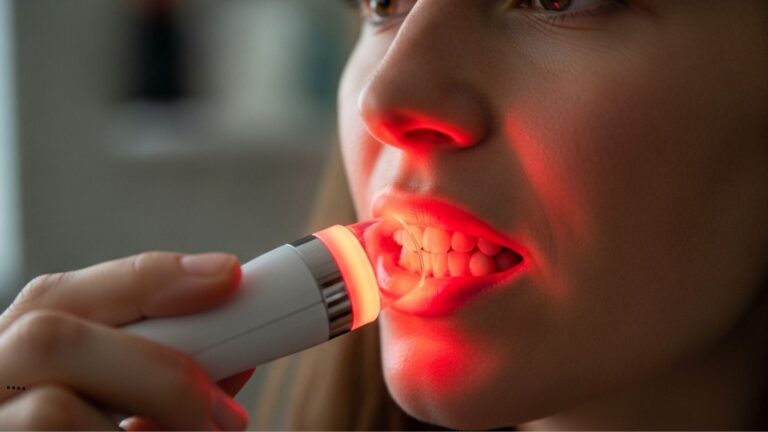
Red light therapy, also called photobiomodulation, uses specific wavelengths of red and near-infrared light to support cellular function. It works by stimulating the mitochondria, which are responsible for energy production inside your cells.
When cells absorb this light, they may produce more ATP (energy), which can support healing and recovery. This is why people use it for:
- Skin repair and texture support
- Muscle recovery after activity
- Reducing mild inflammation
What matters here is this: red light affects energy processes, not vitamin synthesis. It supports how your cells function, but it does not trigger the chemical reaction needed to create vitamin D.
Why Red Light Cannot Trigger Vitamin D Production
Short answer? The wavelength is wrong.
Your skin produces vitamin D when exposed to UVB radiation, not red or infrared light (Dermato-Endocrinology). This process involves a compound in your skin called 7-dehydrocholesterol, which converts into vitamin D3 after UVB exposure.
Red light does not carry the energy needed to start this reaction. It penetrates deeper into tissue, but it does not interact with the skin in the same biochemical way.
Red light therapy cannot increase vitamin D because it lacks UVB wavelengths required for vitamin D synthesis in the skin.
Key Differences Between Red Light And UVB Light
Not all light is equal.
Understanding the difference helps clear confusion between wellness tools and biological processes.
- Red light (620–750 nm): Supports cellular energy and tissue repair
- Near-infrared (700–1100 nm): Penetrates deeper into muscles and joints
- UVB light (280–315 nm): Triggers vitamin D production in the skin
Here’s why this matters.
- Red light works below the surface, helping cells function better.
- UVB works at the surface, starting a chemical reaction in the skin.
Different pathways. Different outcomes.
How Is Vitamin D Actually Produced In The Skin?
This section explains how your body naturally creates vitamin D and what factors influence this process. Once you understand this, it becomes clear why certain light sources matter more than others.
The Role Of UVB Radiation In Vitamin D Synthesis
This is the core process.
When your skin is exposed to UVB radiation from sunlight, it converts 7-dehydrocholesterol into previtamin D3, which then becomes active vitamin D.
This process depends on direct exposure to the right type of light. No UVB, no conversion.
Vitamin D is produced when UVB rays from sunlight interact with skin cells, initiating a chemical conversion process that red light cannot replicate.
That’s why sunlight remains the most reliable natural source.
Factors That Affect Vitamin D Production
Not everyone produces vitamin D at the same rate.
Your body responds to multiple environmental and biological factors:
- Skin tone: Darker skin reduces UVB absorption
- Time of day: Midday sun provides the strongest UVB
- Location: Areas farther from the equator receive less UVB
- Sunscreen use: Blocks UVB, reducing vitamin D production
Modern lifestyle plays a role too.
- Indoor work routines
- Limited outdoor time
- Seasonal changes
These patterns often explain why many adults have low levels without realizing it.
What Happens When Vitamin D Levels Are Low
Low levels can feel subtle at first.
As a nurse, I often see patients describe ongoing fatigue without a clear reason. Over time, vitamin D deficiency may affect several systems in the body.
Common signs include:
- Low energy or persistent fatigue
- Bone or joint discomfort
- Mood changes, especially in low-light seasons
Vitamin D supports bone health, immune function, and even mood regulation. When levels drop, your body feels it gradually rather than suddenly.
Can Red Light Therapy Replace Sunlight Or Support Vitamin D Levels?
This section addresses a common misunderstanding. Many people assume that all light therapies work the same. I’ll clarify why red light therapy cannot replace sunlight and what it actually supports.
Why Red Light Therapy Is Not A Substitute For Sunlight
Let’s clear this up.
Sunlight contains a full spectrum of light, including UVB radiation, which your body needs to produce vitamin D. Red light therapy devices do not emit UVB for safety reasons.
That’s important.
UVB exposure must be controlled carefully. While it enables vitamin D production, it can also damage skin in excess.
Red light therapy cannot replace sunlight because it does not provide UVB radiation, which is essential for vitamin D synthesis.
So while both involve light, they serve completely different biological roles.
Situations Where People Confuse Light Therapies
It’s easy to mix things up.
Different light-based tools are often grouped together, even though they serve different purposes.
- SAD lamps: Use bright white light to support mood and circadian rhythm
- Red light therapy: Supports cellular repair and inflammation balance
- UV lamps: Used medically in controlled settings for skin conditions
The confusion usually comes from the word “light,” not the science behind it. Each type targets a different system in the body.
What Red Light Therapy Actually Supports
Now the useful part.
Even though it doesn’t increase vitamin D, red light therapy still plays a supportive role in wellness and recovery.
From clinical and observational use, benefits may include:
- Improved skin tone and healing response
- Reduced muscle soreness after activity
- Support for joint comfort
Why does this matter?
Because your body benefits from different tools in different ways. Red light therapy supports cellular recovery, while sunlight supports vitamin D production. Both can fit into a balanced routine.
What Are The Best Ways To Support Healthy Vitamin D Levels?
This section focuses on practical, evidence-based ways to maintain healthy vitamin D levels. Small, consistent habits tend to work better than occasional large efforts.
Safe Sun Exposure Habits That Make A Difference
Consistency matters more than duration.
Short periods of sunlight exposure, especially around midday, can support vitamin D production without excessive risk.
A simple approach:
- 10–20 minutes of sun exposure on arms and face
- 3–4 times per week
- Adjust based on skin tone and location
Balance is key. Too little exposure limits vitamin D. Too much increases skin risk. A steady middle ground works best for most people.
Vitamin D Rich Foods To Include Daily
Food plays a supporting role.
While diet alone may not fully meet your needs, it helps maintain stable levels.
Include:
- Fatty fish like salmon and mackerel
- Egg yolks
- Fortified dairy or plant-based alternatives
These foods provide dietary vitamin D, which complements what your body produces from sunlight. Over time, this combination supports more consistent levels.
When Supplements May Be Helpful
Sometimes sunlight isn’t enough.
If you spend most of your time indoors or live in low-sunlight regions, vitamin D supplements may be recommended.
As a clinician, I always suggest:
- Testing levels before starting
- Following appropriate dosage guidance
- Avoiding excessive intake
Supplementation works best when it’s guided, not guess-based.
Simple Lifestyle Adjustments That Support Levels
Small shifts add up.
Daily routines often determine whether your body maintains healthy vitamin D levels.
Consider:
- Taking short outdoor breaks during the day
- Walking instead of driving short distances
- Sitting near natural light when possible
These changes don’t require effort-heavy routines. They simply bring your body closer to the conditions it needs.
Real-Life Example Of Low Sun Exposure Routine
Let’s make this practical.
A typical office worker spends most of the day indoors, commuting early and returning home late. Over time, this pattern limits exposure to UVB light.
A simple adjustment might look like:
- 10-minute walk during lunch
- Weekend outdoor activity
- Including vitamin D-rich foods
These small changes often improve energy and mood over time. Not instantly, but steadily.
Frequently Asked Questions (FAQs)
Can Infrared Light Increase Vitamin D?
No, infrared light does not increase vitamin D levels. Like red light, it lacks UVB wavelengths required for vitamin D synthesis in the skin. It supports circulation and tissue repair, not vitamin production.
Is Red Light Therapy Good For Overall Health?
Yes, in specific ways. Red light therapy may support skin health, muscle recovery, and inflammation balance. It works at a cellular level to improve energy production, but it does not affect vitamin D levels or replace sunlight exposure.
How Much Sunlight Do You Need For Vitamin D?
Most adults benefit from 10–20 minutes of midday sunlight several times per week. Needs vary based on skin tone, location, and season. Consistency matters more than long exposure sessions.
Can You Use Light Therapy Lamps For Vitamin D Deficiency?
Most light therapy lamps do not emit UVB, so they do not help with vitamin D production. They are designed for mood and circadian rhythm support, not vitamin synthesis.
What Is The Fastest Way To Improve Vitamin D Levels?
The most effective approach combines:
– Safe sunlight exposure
– Vitamin D-rich foods
– Supplements when needed
Testing levels first helps guide the right strategy.
Final Thoughts
Red light therapy supports your body in meaningful ways, but it does not influence vitamin D production. That role belongs to UVB exposure from sunlight. When you understand this difference, your choices become clearer and more effective.
A balanced approach that includes safe sunlight, supportive nutrition, and thoughtful routines tends to work best. Small, steady habits often create the most reliable results over time.






Add your first comment to this post