

How Long Do You Hold Yoga Poses? Learn Now!


It’s easy to feel unsure about your yoga practice when every guide seems to offer different advice. How long do you hold yoga poses? Staying in a position too briefly might leave you wondering if it’s effective, while holding it too long can lead to discomfort or strain.
In wellness and recovery, understanding the right duration is crucial—not just for flexibility or strength, but for cultivating calm and body awareness. I often hear from readers who worry they’re “doing it wrong” or not maximizing benefits.
The truth is, yoga pose hold times are flexible, guided by your goals, body signals, and the style of practice you choose. By learning the science and subtle cues behind each hold, you can practice with confidence, ease, and a deeper connection to your body and mind.
Why Yoga Pose Hold Time Matters More Than You Think

The length of time you hold a yoga pose is more than just a number—it shapes how your muscles, joints, and nervous system respond. Small changes in duration can influence flexibility, strength, and mental clarity. Let’s break down why hold time matters for both body and mind.
Physical Benefits of Proper Hold Times
Holding a pose correctly activates muscles, engages stabilizers, and stretches connective tissue safely. Are short holds enough?
Sometimes, yes—brief holds can warm muscles and prime your body for movement. Longer holds, however, allow fascia and joints to release tension, improving mobility and circulation.
Scientific observations show that tissues respond gradually to sustained stress, meaning the difference between a 15-second and a 2-minute hold can be significant over time. Proper duration also reduces injury risk by allowing alignment to settle naturally, rather than forcing depth.
By tuning into how long your body can hold a pose without strain, you maximize benefits while supporting recovery and long-term wellness.
Nervous System and Mindfulness Effects
Ever notice how some poses feel calming while others energize? Your nervous system is sensitive to hold times. Short holds in active styles, like vinyasa, stimulate alertness and circulation, preparing your mind and body for movement.
Longer holds in yin or restorative practice encourage parasympathetic activation, slowing heart rate and reducing stress hormones. What this really means is that adjusting your hold time can help you shift your mental state intentionally.
Holding a pose mindfully—even for a short period—strengthens body awareness, improves breath control, and cultivates presence. In recovery-focused wellness, these subtle effects are just as important as physical gains.
Common Misconceptions About Pose Duration
Do longer holds always yield better results? Not exactly. A frequent misunderstanding is thinking every pose must be held as long as possible.
In reality, over-holding can create tension, restrict breath, and even harm joints. Conversely, rushing through poses can minimize benefits and leave you feeling restless.
Learning to read your body’s cues—micro-signals like subtle shaking, breath patterns, and minor discomfort—guides optimal timing. Studies highlight that personalized hold durations, tuned to the individual’s flexibility, strength, and recovery needs, outperform fixed timers.
Embracing these nuances ensures each session supports wellness rather than simply ticking boxes.
The Short Answer—How Long Do You Hold Yoga Poses?

When it comes to yoga, many people want a clear number—seconds or minutes—but the truth is more nuanced. Hold time depends on your style, goals, and body signals. Understanding general ranges can give you confidence without overthinking each pose. Let’s break it down.
General Hold Time Ranges
So, what’s a safe starting point? For most active styles like vinyasa, holding poses anywhere from 5 to 10 seconds per breath cycle can be effective. In slower, mindful practices like hatha yoga, 15–45 seconds is typical, enough to settle alignment and engage stabilizing muscles.
Yin and restorative yoga call for much longer holds, often 2–5 minutes or more, with props supporting joints and connective tissue. These ranges are guidelines, not rigid rules.
What matters is how your body feels during the pose. Even within a single practice, some poses might feel right to hold longer, while others are best released sooner.
Factors That Influence Timing
Why do hold times vary so much? Individual differences like flexibility, strength, joint health, and nervous system state all play a role. Age and previous injuries can shorten safe durations, while a well-conditioned practitioner may tolerate longer holds comfortably.
Mental state also matters—stress or fatigue can reduce how long your body can safely engage. Even time of day affects performance; morning joints may need shorter holds, while evening sessions can accommodate deeper stretches.
The key is listening to micro-feedback from your body rather than following generic timing rules.
How to Adjust Without Overthinking
You might wonder, how do I know if I’m holding the “right” amount? The answer lies in awareness, not a timer. Track sensations: mild stretch, controlled balance, and steady breath are signs of optimal duration. Slight shaking or holding the breath signals it’s time to release.
A subtle difference of 10–20 seconds can dramatically shift effectiveness, especially for recovery and wellness. Over time, your intuition will guide
you naturally. Instead of counting down, focus on aligning body, breath, and mind, letting the duration emerge organically within each session.
Yoga Pose Hold Times by Style
Different yoga styles require different approaches to hold times. Understanding these variations ensures your practice supports your strength, flexibility, and wellness goals. Let’s explore what’s typical for each style and why these durations matter.
Vinyasa Yoga

Vinyasa is a flowing, dynamic style where poses transition with breath. How long should you hold poses here? Usually, 1–5 breaths per pose is ideal. Shorter holds keep energy moving, build heat, and strengthen muscles without overtaxing joints.
What this really means is that your focus shifts from duration to flow and alignment. Even a brief hold, if mindful, engages stabilizers and builds coordination. Active breathing supports circulation and keeps the nervous system alert.
In recovery-focused wellness, this style offers gentle stimulation, improving mobility while still allowing mental clarity between transitions. Short, repeated holds contribute to endurance without strain.
Hatha Yoga

Hatha yoga emphasizes alignment and awareness, with moderately longer holds than vinyasa. Typical holds range 15–45 seconds, giving muscles time to activate fully.
Why does this matter? It allows you to feel each alignment adjustment and notice subtle tension patterns. Beginners often benefit most from Hatha, as it builds body literacy. Engaging stabilizing muscles during these holds supports strength development while preventing injuries.
What’s key is listening to your body signals, adjusting depth instead of forcing time. Over weeks, these intentional holds improve both posture and proprioception, fostering long-term wellness and mindful movement habits.
Yin Yoga

Yin yoga focuses on deep connective tissue and joint mobility, requiring much longer holds—typically 2–5 minutes per pose. These extended durations encourage fascial release, improved flexibility, and joint hydration.
You might ask, is this safe for everyone? With props and gradual easing, yes. Longer holds activate the parasympathetic nervous system, promoting relaxation and recovery. In wellness terms, Yin helps reduce tension and nervous system overload.
The key is surrendering to the pose, breathing slowly, and allowing subtle changes over time. Even a single long hold can create noticeable calm, making it ideal for recovery-oriented practices.
Restorative Yoga

Restorative yoga takes stillness to another level, with holds ranging 5–20 minutes, fully supported by bolsters, blankets, or blocks. Why so long? The body and nervous system benefit from extended passive stretching and deep relaxation.
This style is especially useful for stress relief, recovery after injury, or gentle self-care. Even brief movements within these long holds engage the nervous system softly, encouraging circulation and relaxation.
Focus on breath, comfort, and subtle awareness. Each extended hold is not about effort, but surrender and presence, fostering mental clarity and profound wellness benefits.
How Long To Hold Yoga Poses Based On Your Goal
The purpose behind your practice shapes how long each pose should be held. Whether your focus is flexibility, strength, or stress relief, understanding the right duration ensures you practice safely and effectively. Let’s explore each goal in detail.
For Flexibility & Mobility
How long should you hold a stretch for true flexibility gains? Typically, 30 seconds to 2 minutes per pose is effective, depending on the tissue you’re targeting. Muscles respond relatively quickly, but connective tissues like fascia need longer, gentle tension to lengthen safely.
What this really means is that holding a pose too briefly may warm muscles without creating lasting mobility improvements. Slow, mindful breathing during these holds encourages the body to release tension gradually, reducing the risk of strain.
Over time, consistent practice using optimal hold durations improves range of motion, posture, and movement efficiency. Flexibility isn’t about pushing to extremes—it’s about giving tissues time to adapt and recover.
For Strength & Stability
Can holding poses build strength? Absolutely—but the approach differs from flexibility. 10–30 seconds per pose under control is often enough to activate stabilizing muscles and build endurance.
Poses like plank, chair, or warrior variations rely on time under tension, which gradually strengthens the core, legs, and postural muscles.
Why not hold longer? Exceeding your capacity can lead to shaking, breath holding, or compromised alignment. Optimal hold times allow progressive muscle engagement without fatigue or injury.
Regular practice of controlled holds enhances joint support, stability, and body awareness, which is essential for recovery-focused wellness routines and long-term functional strength.
For Stress Relief & Nervous System Reset
Looking to calm the mind and reset your nervous system? Long, supported holds in poses—ranging 1–5 minutes or more—encourage parasympathetic activation and mental relaxation.
Poses in restorative or Yin practice, with props for support, help reduce stress hormone activity and slow the heart rate. You may wonder, do I have to hold for the entire time? Even partial holds with mindful breathing create noticeable calm.
The key is breath awareness and gentle surrender, not pushing limits. Incorporating these holds into your wellness routine enhances relaxation, body-mind connection, and recovery, making it easier to integrate yoga into daily life without strain or frustration.
Beginner Guidelines—How Long Should You Hold Yoga Poses When Starting Out
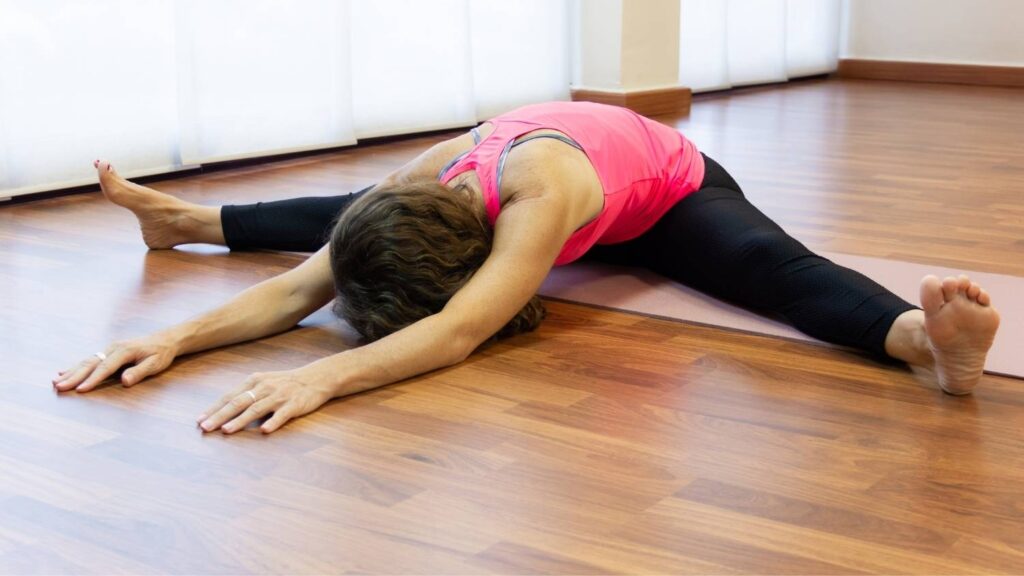
Starting a yoga practice can feel overwhelming, especially when every guide offers different hold times. As a beginner, the goal is to learn body awareness, prevent strain, and cultivate confidence. Understanding simple rules and cues can transform your experience.
Start With Breath, Not the Clock
Why is breath more important than a timer? When you sync your poses with natural breathing, your body automatically signals when a hold is safe and effective. Short, mindful holds allow muscles to engage fully while supporting alignment.
Paying attention to inhale and exhale cycles also calms the nervous system, which is critical in recovery-focused wellness. For beginners, counting breaths instead of seconds creates a safer, intuitive practice.
Over time, you’ll develop an innate sense of how long your body can sustain a pose comfortably, making rigid timing unnecessary.
Typical Beginner Hold Times
So, how long should beginners hold poses? 10–20 seconds for active poses like standing balances and 30–60 seconds for gentle stretches is a solid starting range.
These durations allow muscles to engage without fatigue and give your body time to recognize proper alignment. Shorter holds can be repeated, gradually building strength and flexibility. The goal is consistency and awareness, not endurance. Keeping
hold times manageable also reduces frustration and fosters confidence, ensuring your practice remains enjoyable and recovery-oriented.
Signs You’re Holding Too Long
How do you know if a hold is excessive? Watch for subtle signs: breath holding, trembling, sharp discomfort, or mental strain. These signals indicate your body’s capacity has been exceeded.
Over-holding can lead to tension, joint stress, or injury, undermining the benefits of your practice. The key is to adjust before discomfort escalates, honoring both physical and mental boundaries.
Learning to notice these cues early builds self-awareness and protects long-term wellness, setting a foundation for safe and mindful yoga practice.
Signs You’re Not Holding Long Enough
Conversely, how do you know if your hold is too brief? If you feel little to no muscle engagement, joint activation, or body awareness, your duration may be insufficient.
Quick transitions prevent connective tissue from adapting and reduce the calming benefits of mindful practice.
Minimal holds can leave you wondering whether your practice “counts.” Aim for sufficient time to feel controlled stretch and stability, without forcing depth. Over time, your body will teach you the optimal balance between short and sustained holds.
How Breathing Changes Hold Time
Can breathing really extend your hold safely? Absolutely. Slow, steady breaths signal muscles to relax, allowing deeper yet controlled engagement. Shallow or irregular breath often limits how long a pose can be held safely.
Beginners benefit from practicing inhalation and exhalation cues, coordinating breath with subtle micro-adjustments in posture.
Breath awareness not only guides duration but also enhances mind-body connection, making each hold more effective for both flexibility and recovery-focused wellness.
When to Come Out of a Pose
How do you know when to exit a pose? Subtle discomfort, loss of breath control, or sharp sensations are signals to release. Emotional discomfort, like frustration or tension, can also indicate that the hold is too long.
Exiting gracefully prevents strain and promotes confidence in your practice. Over time, you’ll intuitively sense when a pose has served its purpose, balancing engagement and relaxation for both body and mind.
Modifications That Let You Hold Longer Safely
Props like blocks, bolsters, straps, or walls can extend hold times without strain. Reducing depth, supporting joints, or adjusting alignment allows beginners to experience longer holds safely, enhancing benefits like flexibility, strength, and nervous system calm.
Modifications help your body acclimate gradually, promoting confidence and sustainable progression. Rather than pushing limits, use these tools to create comfort and awareness while still challenging muscles appropriately.
Consistency Over Duration
Does holding a pose longer always equal better results? Not for beginners. Short, consistent holds practiced regularly often outperform infrequent, prolonged holds. Repetition builds muscle memory, enhances mind-body connection, and fosters recovery.
The goal is steady, mindful practice, prioritizing alignment, breath, and awareness over extreme duration. This approach nurtures confidence, prevents burnout, and ensures yoga remains a sustainable tool for wellness and recovery.
Factors That Change How Long You Should Hold A Yoga Pose

How long a pose feels comfortable or effective isn’t fixed—it changes based on internal and external factors. Recognizing these variables ensures your practice stays safe, effective, and recovery-focused. Here’s what to consider:
- Age: Younger joints and tissues often tolerate longer holds; older bodies may need shorter, more supported durations.
- Injury or Recovery Status: Previous injuries or current soreness require careful adjustments and often shorter, mindful holds.
- Flexibility and Strength Level: Well-conditioned muscles can safely sustain longer holds; beginners or tight muscles may need shorter durations.
- Stress and Fatigue: Mental or physical exhaustion reduces tolerance; even familiar poses may feel more challenging.
- Time of Day: Morning stiffness may limit safe hold time, while evening sessions can allow deeper stretches.
- Practice Goals: Flexibility, strength, or stress relief each require different durations for maximum benefit.
Being aware of these factors allows you to adapt each hold intuitively. Rather than rigidly following a timer, listen to your body’s feedback, and adjust duration to match your current state. Even small adjustments enhance safety, recovery, and overall wellness outcomes.
Common Myths About Holding Yoga Poses
Misunderstandings about pose duration can lead to frustration or injury. Let’s clear up some of the most common myths:
- “Longer holds are always better.” In reality, extended holds without mindful alignment or breath can strain muscles and joints. Optimal benefits come from the right duration for your body, not just time.
- “You must feel intense stretch to benefit.” Mild, controlled tension is often more effective than forcing extremes, especially for fascia and joint health.
- “Advanced yogis always hold poses longer.” Experience doesn’t mean duration should be extreme; it means knowing how to match holds to goals and body signals.
- “Short holds don’t count.” Brief, mindful engagement can strengthen stabilizers, build awareness, and support nervous system regulation when practiced consistently.
Understanding the truth behind these myths lets you approach yoga with confidence and self-compassion, ensuring your practice contributes to wellness, recovery, and sustainable progress.
Final Thoughts
Yoga pose duration isn’t about endurance or perfection—it’s about listening to your body and breathing with awareness. Some days may call for shorter, active holds; others may invite long, supported stillness.
Each session becomes an opportunity to connect with your body, strengthen awareness, and foster calm. By observing subtle cues and adjusting holds to match your goals, your practice naturally supports flexibility, strength, and nervous system wellness.
Over time, intuitive hold times replace rigid rules, letting yoga guide you toward gentle, consistent growth. With mindful attention and patience, each pose becomes both a tool for recovery and a source of calm presence.




Add your first comment to this post