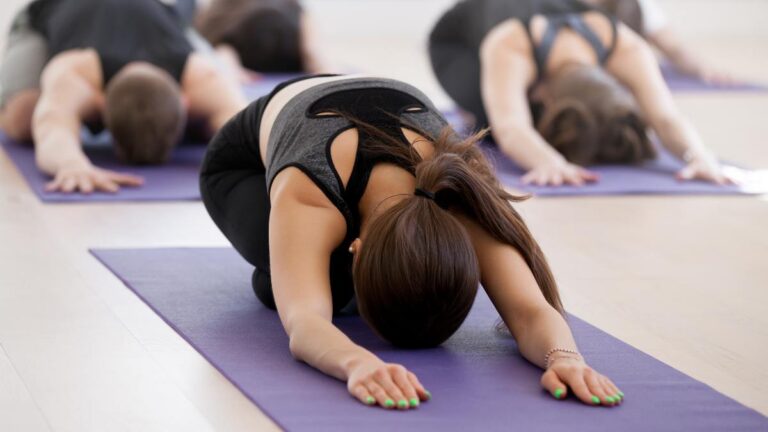
How Many Pilates Classes Per Week Should You Take? Limits!

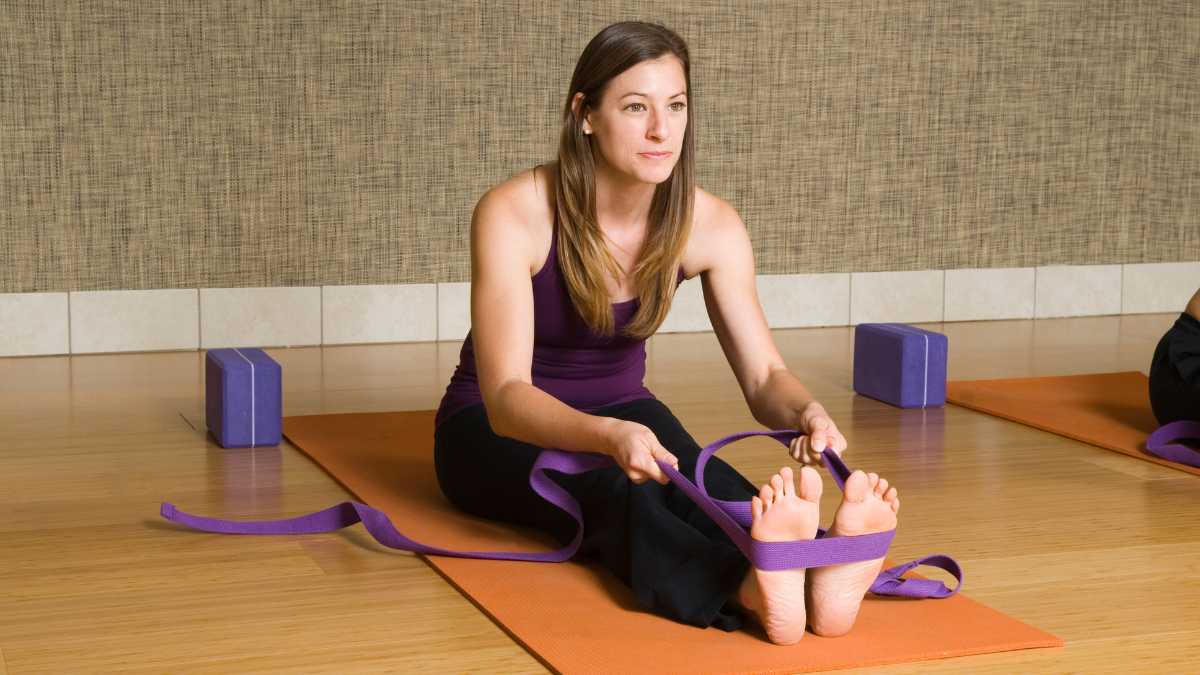
Last Updated on August 6, 2025
How Many Pilates Classes Per Week?
Most people benefit from taking 2 to 4 Pilates classes per week, depending on their goals, fitness level, and recovery needs.
Beginners should start with 2 sessions weekly to build a strong foundation without overstraining. If you’re a pro or using Pilates as your primary exercise, 3 to 4 classes weekly can improve core strength, flexibility, and posture.
Are you enrolled in a Pilates course and want to know how many Pilates classes per week should you attend?
As a nurse and wellness and recovery enthusiast, I get this question all the time. Whether you’re a beginner or a pro practitioner, finding the right balance is key.
The truth is, there’s no one-size-fits-all answer. However, most experts agree that 2 to 4 Pilates classes per week strike the perfect balance between consistency and recovery.
If you’re just starting out, two sessions might be enough to build strength and flexibility. For those with more experience, three or four weekly sessions can take your practice to the next level.
So, are you ready to discover what works best for you?
Why Are You Doing Pilates? Understanding Your Goals
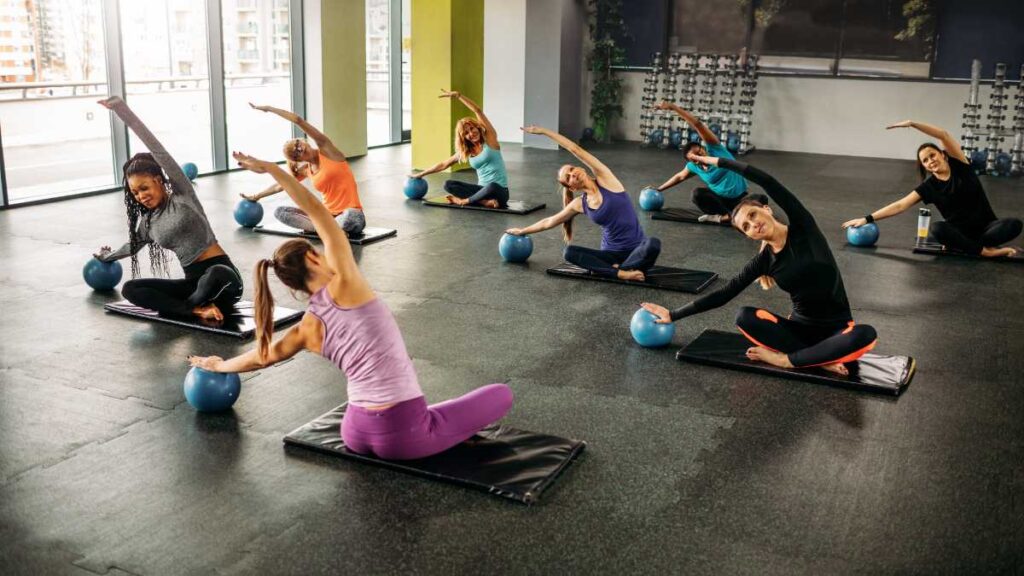
Before we dive into numbers, let’s talk about your why. Why are you doing Pilates in the first place? Is it to tone up, relieve stress, improve posture, or recover from an injury? Your goals will shape how often you need to hit the mat.
For instance, if you’re dealing with chronic back pain like I was, even two sessions a week can make a noticeable difference. However, if you’re training for a specific event or aiming for advanced moves, you might need to increase your frequency.
Research shows that Pilates offers a wide range of benefits, including improved core strength, better posture, and enhanced mental focus. But these benefits don’t happen overnight. They require consistent effort over time.
So, ask yourself: What’s motivating you to start or continue Pilates? Is it the desire to feel stronger, look leaner, or simply carve out some “me time”?
Whatever your reason, keep it in mind as you plan your weekly schedule. After all, staying motivated is half the battle. If you’re new, read my article on the 10 beginner Pilates exercises you can do at home.
How Many Pilates Classes Per Week Should You Take?
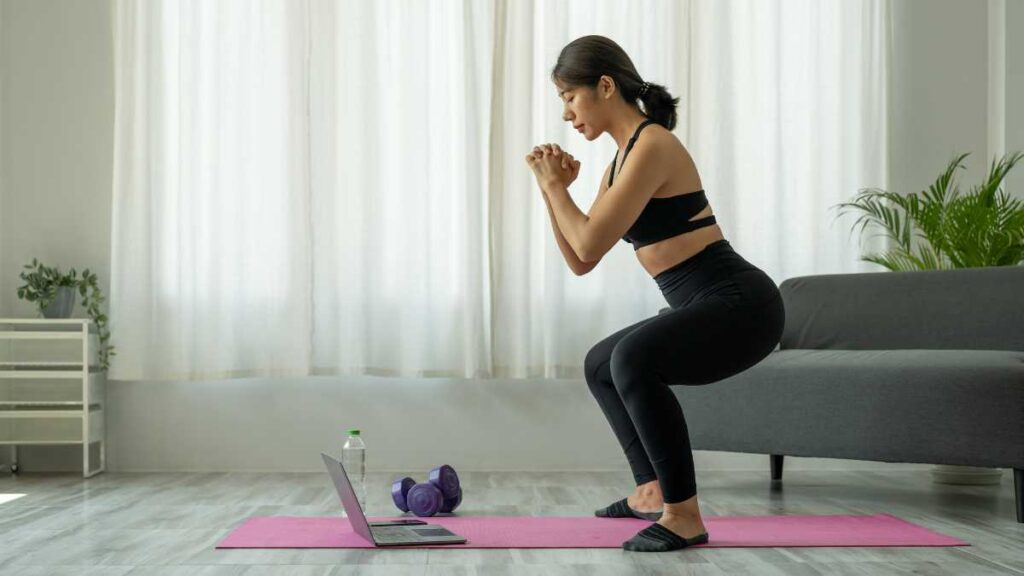
Here’s the golden rule: 2-4 Pilates classes per week are ideal for most people. Why?
Because consistency matters more than intensity. Pilates isn’t about burning calories at lightning speed; it’s about building strength, flexibility, and mindfulness over time.
If you’re just starting out, aim for two sessions weekly. This gives your body time to adapt without feeling overwhelmed. Trust me, when I began Pilates, I thought I could jump into five classes a week. Big mistake.
My muscles were sore, and I quickly burned out. Now, I stick to three classes weekly, and it’s perfect for my busy lifestyle.
For experienced practitioners, bump it up to three or four times. This frequency allows you to challenge your body while still leaving room for recovery.
But remember, quality beats quantity every time. If you’re rushing through moves, you won’t reap the benefits. Focus on form, not frequency. To enjoy Pilates to the fullest, here is my article on Pilates for recovery that you must read.
What Does Science Say About Frequency? Backed By Research
Let’s dive into the science behind Pilates frequency. A study published in the Journal of Strength and Conditioning Research found that participants who did Pilates twice a week showed huge improvements in core strength and posture.
Another study highlighted that three weekly sessions led to better flexibility and reduced lower back pain. These findings align with what I’ve experienced personally. Pilates isn’t just about physical health; it’s about mental clarity too.
But here’s the catch: more isn’t always better. Overtraining can lead to fatigue, muscle soreness, and even injury. That’s why experts recommend spacing out your sessions to allow for recovery.
For example, if you do Pilates on Monday and Wednesday, use Tuesday and Thursday for light stretching or yoga. This approach ensures your body has time to repair and grow stronger.
So, what’s the takeaway? Stick to the 2-4 range, but tailor it to your needs. If you’re cross-training with other activities like yoga, two Pilates sessions might be plenty. On the flip side, if Pilates is your main workout, aim for three or four.
Here’s my detailed guide on the best pilates moves for lower back pain relief, and these are what I tried when I used to stick to my computer.
Listen to Your Body – Signs You’re Overdoing It
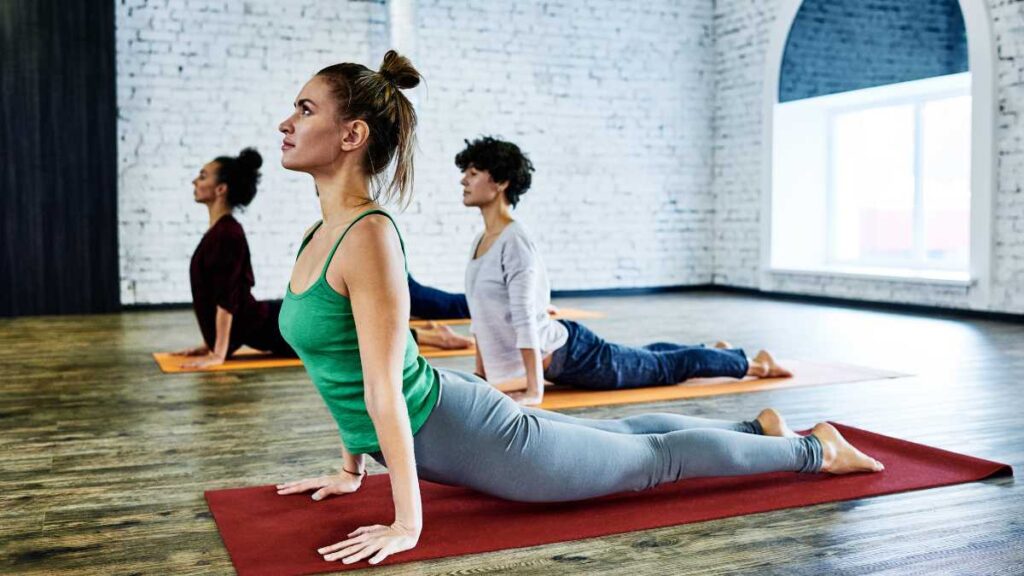
Ever felt sore after a workout and thought, “Am I doing too much?” I’ve been there. When I first started Pilates, I pushed myself too hard and ended up with muscle fatigue. Not fun. Here’s how to know if you’re overdoing it:
- Constant fatigue: Feeling drained all the time? Your body might be begging for rest.
- Persistent muscle soreness: A little soreness is normal, but if it lasts for days, dial it back.
- Trouble sleeping: Overtraining can disrupt your sleep cycle, leaving you restless at night.
If any of these sound familiar, it’s time to reassess your routine. Rest days are crucial for recovery. Remember, Pilates isn’t about punishment, it’s about nurturing your body.
Personally, I’ve learned to listen to my body’s signals. If I’m feeling tired, I’ll swap a class for a gentle yoga session or a long walk. What about you? Do you prioritize rest as much as you prioritize workouts?
Can You Combine Pilates With Other Workouts? Maximizing Results

Absolutely! In fact, mixing Pilates with other exercises like yoga, running, or weightlifting can boost your results. I love pairing Pilates with cardio. It keeps things fresh and fun.
But here’s the question: How does this affect how many Pilates classes you should take per week?
If you’re cross-training, two Pilates sessions might be plenty. For example, I alternate between Pilates and running. This combination helps me build endurance while keeping my core strong.
On the flip side, if Pilates is your main workout, aim for three or four sessions. Just be mindful of overtraining. Too much of anything can backfire.
Here’s a sample weekly schedule:
- Monday: Pilates
- Tuesday: Cardio (running or cycling)
- Wednesday: Yoga or stretching
- Thursday: Pilates
- Friday: Strength training
- Saturday: Pilates
- Sunday: Rest or light activity
Feel free to tweak this based on your goals and preferences. The key is to create a balanced routine that keeps you engaged and energized.
Read Also: Pilates Vs. Yoga
Personal Experience – My Pilates Journey
When I first started, I thought more was better. I signed up for five classes a week, only to crash and burn within a month. My body wasn’t ready, and neither was my schedule.
Now, I stick to three classes weekly, and it’s perfect. I feel stronger, calmer, and more focused.
What about you? Have you tried Pilates yet? If not, why not give it a shot? Even one class can make a difference. Personally, I’ve noticed improvements in my posture, flexibility, and overall well-being.
Plus, it’s become my go-to stress reliever after a long day at the hospital. What’s holding you back from trying it?
I’ve crafted two different guides on does Pilates improve posture and Pilates for flexibility, give them a read to know the benefits of this single activity.
Tips For Staying Consistent – Building A Sustainable Routine
Consistency is king. Here’s how to make it happen:
- Schedule your classes like appointments: Treat them as non-negotiable parts of your day.
- Find a studio or instructor you love: A great teacher can make all the difference.
- Mix up your routine to avoid boredom: Try different styles like mat Pilates, reformer, or barre fusion.
I always block out time on Sundays to plan my week. It helps me stay on track, even when life gets hectic.
What’s your strategy? Do you prefer morning or evening classes? Finding what works for you is key to staying consistent.
What If You Miss a Class? Don’t Sweat It
Life happens. Maybe you’re swamped at work or dealing with family stuff. Missing a class isn’t the end of the world. Just jump back in when you can. Progress, not perfection, is what counts.
Here’s a question: Do you beat yourself up for missing workouts? Stop. Be kind to yourself. Every step forward matters.
I remind myself that one missed class won’t derail my progress. What’s important is showing up consistently over time. If you think you can’t manage time, here’s my blog on 5-minute daily Pilates for busy schedules.
What To Expect When You Do Pilates Multiple Times A Week?
If you’re wondering what kind of results you can expect from different Pilates frequencies, here’s a breakdown to guide your routine. Whether you’re easing in or going all in, each level has its own unique benefits.
Use this summary to find your personal sweet spot:
- Pilates 2 Times A Week
Great for beginners or as a complement to other workouts. You’ll start noticing improvements in posture, flexibility, and reduced muscle tension within 2–3 weeks.
- Pilates 3 Times A Week
Ideal for steady progress. In 4–6 weeks, expect visible core toning, better body awareness, and stronger muscles. This is the sweet spot for most people aiming to build consistency and see meaningful change.
- Pilates 4 Times A Week
Best for intermediate to advanced practitioners. You’ll see faster strength gains, better balance, and deeper mind-body connection, often within 3–4 weeks. Recovery becomes crucial at this level.
- Pilates 5 Times A Week
Suitable only if Pilates is your primary workout. You’ll gain optimal muscle tone, improved endurance, and mental clarity. But be mindful of overuse and fatigue, schedule rest days wisely.
Remember:
Consistency beats intensity when it comes to Pilates. Doing it two to four times a week, with good form and intention, is far more effective than pushing too hard and burning out.
Choose a routine that fits your lifestyle, and enjoy the journey of becoming stronger, taller, and more balanced.
Frequently Asked Questions (FAQs)
Is 3 Pilates classes a week enough exercise?
Yes, for most people, 3 Pilates classes per week is enough to build strength, improve flexibility, and see noticeable results over time. It’s a sustainable and balanced frequency, especially when paired with rest or complementary workouts like walking or yoga.
What is the 80/20 rule in Pilates?
The 80/20 rule in Pilates refers to focusing 80% of your time on mastering the foundational moves and principles (like breath, control, and form), and 20% on pushing your limits with intensity or new variations. It emphasizes consistency and quality over extremes.
How many sessions of Pilates to see results?
You can begin to feel results within 5–10 sessions, especially in areas like posture, flexibility, and mental clarity. Noticeable physical changes like core strength and toning typically appear after 10 to 20 consistent sessions.
Conclusion – How Many Pilates Classes Per Week?
To recap, 2-4 Pilates classes per week are the sweet spot for most people. Beginners can start with two, while seasoned practitioners may benefit from three or four.
Always listen to your body and adjust as needed. Remember, Pilates isn’t just about physical health. It’s about mental clarity, stress relief, and self-care. And who doesn’t need more of that?
Ready to Get Started?
So, how many times a week should I do Pilates? Whether it’s one or four, the important thing is to take that first step. Trust me, your body and mind will thank you.
Sources
- Fangyi Li, et al. (2024). Effects of Pilates on Body Posture: A Systematic Review
https://www.archives-rrct.org/article/S2590-1095(24)00035-1/fulltext
- Kloubec, June A. (2010). Pilates for Improvement of Muscle Endurance, Flexibility, Balance, and Posture
- Rebecca Gordon and Saul Bloxham. (2016). A Systematic Review of the Effects of Exercise and Physical Activity on Non-Specific Chronic Low Back Pain