

Is Ice Bath Good For Sore Muscles? Must Know!


Last Updated on December 17, 2025
Muscle soreness can sneak up on you — the tightness, the dull ache, that slow stiffness that turns even walking into effort.
It’s your body’s way of saying it’s working hard, but it can also test your patience. If you’ve been exploring ways to ease that deep post-workout soreness, you’ve likely wondered: is ice bath good for sore muscles?
As a registered nurse and wellness and recovery consultant, I’ve seen how the body responds to both care and overexertion. Ice baths are one of those recovery rituals that bridge science and mindfulness — they soothe inflammation while grounding the mind.
In this guide, I’ll walk you through the research, benefits, and safe practices so you can use this cooling method to help your muscles heal naturally and feel re-energized, without losing your calm.
Understanding Muscle Soreness And Recovery

Muscle soreness isn’t just a sign of fatigue. It’s a biological signal that your muscles are rebuilding. Let’s unpack what’s really going on beneath the surface.
What Happens When Muscles Get Sore
Each time you train, your muscles experience microtears — tiny disruptions in muscle fibers. These trigger inflammation, which is your body’s healing response.
That familiar stiffness and tenderness are part of a natural repair process known as Delayed Onset Muscle Soreness (DOMS). It usually peaks 24–72 hours after exercise.
The discomfort might feel discouraging, but it’s actually your body adapting and growing stronger. Rest, hydration, and gentle movement are essential for allowing this cycle to complete without added strain.
Why Recovery Is Just as Important as Training
Recovery isn’t laziness — it’s science-backed healing. Without proper recovery, your muscles can’t rebuild effectively, leading to fatigue, stiffness, or even injury. A mindful approach to recovery helps reduce inflammation, improve blood flow, and support long-term performance.
When I work with clients, I emphasize recovery as a wellness practice, not an afterthought. That means listening to your body, balancing intensity with rest, and integrating calming rituals that help your nervous system reset — like cold therapy.
“Muscle soreness isn’t failure — it’s feedback. Your body is learning strength through healing.”
How Ice Baths Work — The Science Of Cold Therapy
Cooling your body may feel extreme at first, but there’s solid science behind why it works. Here’s what really happens when you step into an ice bath.
The Cooling Response — Vasoconstriction in Action
When your body is immersed in cold water, your blood vessels constrict. This process, called vasoconstriction, limits swelling and slows inflammation. Once you step out, the vessels expand again — improving circulation and flushing out metabolic waste.
That alternating rhythm helps reduce soreness and supports faster muscle repair. Think of it as a natural pump, guiding blood and nutrients where your body needs them most.
The Role of Inflammation in Healing
Inflammation often gets a bad reputation, but it’s part of recovery. It signals repair and growth. The key is moderation. Too much inflammation can delay healing, while too little can prevent proper adaptation.
Ice baths help balance this response, calming the excessive inflammation without shutting down the healing process completely.
Research published in the Journal of Sports Medicine supports that cold exposure can reduce perceived soreness — even if it doesn’t eliminate all inflammation immediately.
What Happens After You Warm Back Up
Once you exit the bath, blood vessels dilate again, bringing oxygen-rich blood to your muscles. This post-cold flush supports nutrient delivery and relaxation. Many athletes use this “after phase” for light stretching or mindful breathing.
This moment of warmth after the chill can be deeply restorative — not just physically, but mentally. It’s the perfect time to practice stillness and notice how your body feels renewed.
Benefits Of Ice Baths For Sore Muscles
A few minutes of cold can transform how your body recovers. Let’s explore the main benefits that make ice baths a trusted wellness tool.
Reduced Swelling and Inflammation
Cold water helps reduce swelling and inflammation by slowing blood flow to affected tissues. This can ease soreness and stiffness, especially after high-intensity training.
A small study found that participants who took post-exercise ice baths reported significantly less soreness 48 hours later compared to those who didn’t. While everyone’s response varies, many people find cold therapy brings both physical and mental relief.
Natural Pain Relief
The numbing effect of cold is nature’s pain reliever. It desensitizes nerve endings, helping you experience less discomfort. When used correctly, it can provide a sense of calm and control over post-exercise pain.
I often recommend it as a gentler alternative to constant pain medication or overuse of topical analgesics. It’s about helping your body help itself — through its own biological wisdom.
Improved Circulation Post-Bath
Once the body warms up again, circulation increases, flushing out waste products like lactic acid. This rhythmic flow supports muscle recovery and flexibility.
Pairing your ice bath with gentle stretching afterward enhances this effect. A few minutes of movement after warming up can help your muscles feel more pliable and balanced.
Mental Reset and Recovery
There’s something profoundly centering about cold immersion. The initial shock demands focus — and then, calm breathing takes over. That mindfulness helps release physical tension and mental stress.
Many of my clients describe feeling mentally clearer after an ice bath. It’s not just about recovery; it’s about reconnection. A short dip can remind you that your body and mind recover best when they’re in sync.
Benefits at a glance:
- Lowers inflammation naturally
- Reduces soreness and stiffness
- Enhances blood flow post-bath
- Promotes relaxation and mental clarity
How To Safely Use Ice Baths For Muscle Recovery
When used mindfully, cold therapy becomes a calming recovery ritual — not a test of endurance. Here’s how to make it safe and effective.
Ideal Ice Bath Temperature
The sweet spot for recovery lies between 50°F to 59°F (10°C to 15°C). Too cold can trigger shock or stress, especially if you’re new to it. Start on the warmer end and work your way down gradually.
Use a thermometer if you can, and keep the water consistent. Comfort and safety always matter more than extreme cold.
Recommended Duration
Ten to fifteen minutes is usually enough. Staying longer won’t speed recovery — it may just stress your body more. If you’re new, even five minutes can help.
Watch your breathing. If it becomes shallow or strained, it’s time to step out. Gradual consistency brings better results than pushing limits.
When to Take an Ice Bath
Timing can make a big difference. The best window is within 30–60 minutes after exercise, when inflammation begins to rise.
Avoid ice baths immediately before training, as cold can temporarily reduce muscle performance. Treat them as part of your recovery ritual, not your warm-up.
Preparing Your Ice Bath
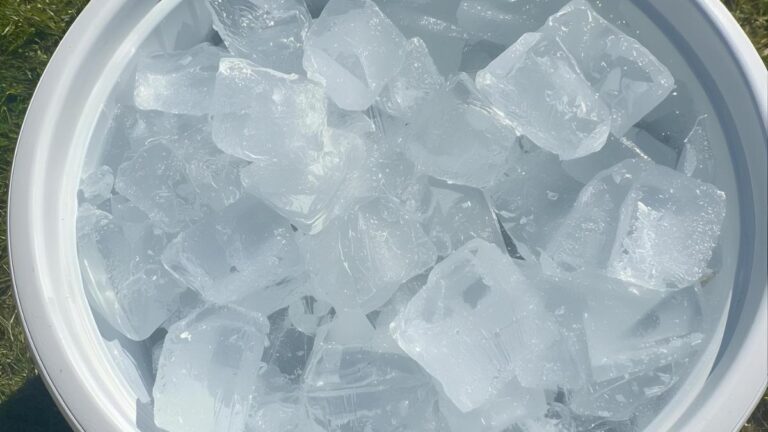
You don’t need a fancy setup. A standard bathtub works fine. Fill it halfway with cold water, then add two to three bags of ice. Stir it well to distribute the temperature evenly.
If the thought of full immersion feels overwhelming, start with a lower-body dip and build confidence over time.
Breathing Techniques During Cold Exposure
The first few seconds in cold water trigger shock — that sharp gasp you can’t control. Calm, steady breathing helps you move through it.
Try inhaling slowly through your nose and exhaling through your mouth. Count your breaths. Within a minute, your body adjusts, and the discomfort shifts into calm. This mindful breathing activates your parasympathetic nervous system, helping both your body and mind relax.
Aftercare — Warming Up Gently
After your bath, dry off and warm up gradually. Wrap yourself in a towel or blanket, sip warm tea, or move lightly to restore body temperature.
Avoid jumping straight into a hot shower — it can overstimulate your circulation and cause dizziness. Let your body ease back into warmth naturally.
Read Also: What To Do After An Ice Bath?
Frequency and Consistency
For active individuals, 2–3 ice baths per week are often enough. It’s about rhythm, not repetition. If you notice prolonged chills or fatigue, reduce frequency.
Your recovery pattern should feel restorative — not draining. Listen to your body’s signals. Cold therapy should leave you calm, not depleted.
Safety Tips and Who Should Avoid It
If you have heart conditions, diabetes, or Raynaud’s disease, consult your healthcare provider before starting. Cold immersion can strain circulation in sensitive individuals.
Always prioritize your comfort. The goal is renewal, not resilience testing. If dizziness or numbness occurs, stop immediately.
Alternatives And Complements To Ice Baths
Even though ice baths are powerful, they’re not the only path to recovery. Let’s explore other gentle methods that support sore muscles — and sometimes pair beautifully with cold therapy.
Contrast Therapy (Hot and Cold Recovery)
Alternating between heat and cold creates a rhythmic balance in your circulation. Contrast therapy helps blood vessels expand and contract, encouraging oxygen flow and waste removal.
For many people, this method feels less intense than prolonged cold exposure. You can alternate between a warm shower and a quick ice plunge, spending a minute or two in each. It’s soothing, effective, and ideal for easing deeper tension in the muscles.
Gentle Movement and Stretching
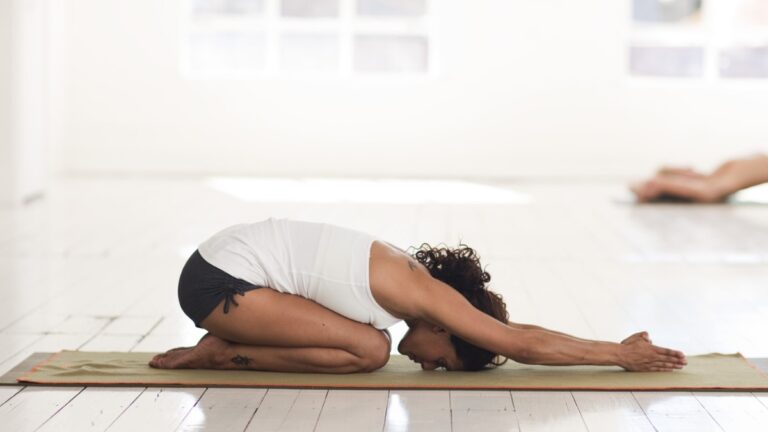
Light movement —walking, yoga, or gentle stretching — increases blood flow to sore muscles without adding stress. It keeps tissues flexible and helps prevent stiffness.
I often recommend slow, mindful stretching after an ice bath. When your body warms naturally afterward, your muscles are more receptive to gentle mobility work. Think of it as cooperation between stillness and motion.
Nutrition and Hydration Support
Recovery starts from within. Muscles heal better when they have the nutrients they need. Focus on protein, magnesium, and antioxidant-rich foods like berries or leafy greens.
Hydration also plays a major role. Water supports circulation, cellular repair, and temperature regulation — all crucial after a cold plunge. A simple ritual: rehydrate right after your bath to restore internal balance.
Mindful Recovery Practices
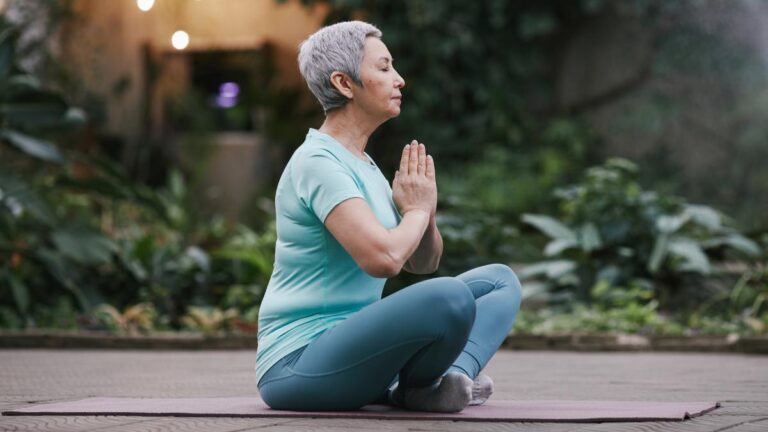
Cold therapy can also become a form of meditation. Pair your post-bath time with slow breathing, gentle journaling, or even aromatherapy.
Mindful recovery isn’t about doing more — it’s about being more aware. Whether you light a candle, play soft music, or simply notice your body relaxing, these small details turn routine recovery into a restorative experience.
The Balanced View — What Research And Experts Say
Every body is unique, and so is every recovery response. Ice baths aren’t a universal fix — but they’re an evidence-supported option worth understanding.
The Mixed Findings on Ice Baths
Research shows varying results. Some studies suggest that cold immersion reduces muscle soreness and improves comfort within 24 hours. Other studies note that while it helps short-term pain, it may slightly blunt muscle adaptation if overused.
What this really means is that ice baths are best used strategically — when soreness feels limiting or after especially intense training. They’re not meant to replace your body’s natural healing rhythm but to support it.
What Experts Recommend
Sports medicine experts and physiotherapists often recommend ice baths for recovery, particularly when pain or inflammation interferes with mobility. However, they emphasize moderation.
As a nurse, I echo that balance. Cold therapy should feel restorative, not punishing. I advise clients to use ice baths as part of a holistic recovery routine — alongside proper sleep, nutrition, and emotional calm.
Over-reliance can disrupt the natural signals your body uses to build resilience.
When Ice Baths May Not Be Ideal
There are times when skipping the ice bath is smarter. During muscle-building phases, for instance, inflammation plays a helpful role in strength adaptation. Cooling too soon may slightly slow this process.
If soreness is mild or you have enough recovery time before your next workout, rest, hydration, and gentle movement may serve you just as well. The goal is always harmony — not habit for its own sake.
Final Thoughts – Finding Your Balance With Cold Recovery
There’s beauty in learning when to cool down and when to rest warm. Ice baths, when used mindfully, offer more than physical recovery — they invite presence. The stillness in that moment of chill becomes a reset for body and mind alike.
Recovery isn’t about pushing through pain. It’s about listening to what your body asks for. Some days that might mean a few minutes of cold water. Other days, it might mean rest, warmth, or quiet. Let each choice come from awareness, not pressure.
Healing is not a race — it’s rhythm. Ice baths can help restore yours, one calm breath and one mindful moment at a time.



Add your first comment to this post