

What Serum To Use With Red Light Therapy? For Better Skin Results


Last Updated on July 7, 2026
Skin care can feel confusing when results don’t match your effort. You follow a routine, use your device consistently, and still wonder what’s missing. That’s often where the question comes in, what serum to use with red light therapy to actually support your skin.
In wellness and recovery, small details matter. The products you pair with treatments can either support healing or quietly slow it down. I’ve seen this often in practice, people using strong actives that interfere with the calming, restorative effects of light therapy.
This guide brings clarity. You’ll learn which serums help your skin respond better, which ones to avoid, and how to build a routine that feels simple and steady.
Why Does Serum Choice Matter With Red Light Therapy?
Red light therapy works at a cellular level, and the products you apply can influence how your skin responds. This section explains how serum selection affects absorption, sensitivity, and overall results.
How Red Light Interacts With Skin Cells
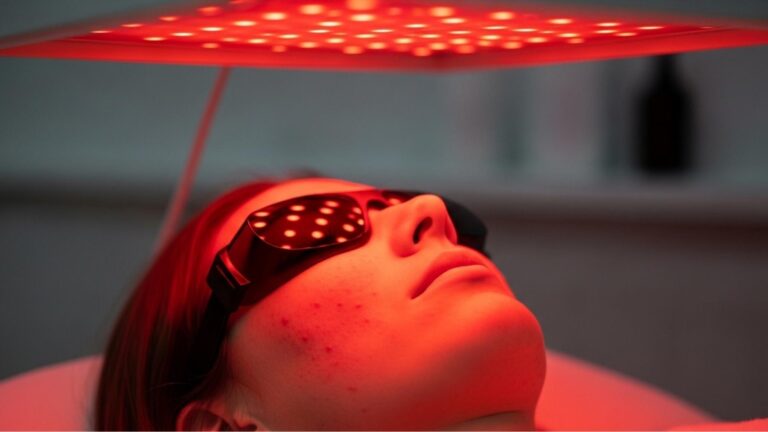
It goes deeper than surface care. Red light therapy stimulates mitochondria, helping cells produce more energy. This supports collagen production, tissue repair, and reduced inflammation.
A review by Avci et al. found that low-level red and near-infrared light can stimulate cellular energy production, promote collagen synthesis, and support wound healing.
When your skin is calm and balanced, it responds better. If the barrier is irritated, results can feel slower or uneven. That’s why what you apply matters.
I often explain it simply: the light does the work, but your skin environment determines how well it responds. Supporting that environment with the right serum creates a more stable, receptive state.
The Role of Serums in Skin Absorption
Why serums matter. Serums are lightweight and designed for deeper absorption compared to creams. This makes them ideal partners for light-based treatments.
A well-formulated serum can:
- Support hydration at deeper levels
- Maintain skin barrier function
- Deliver calming or repair-focused ingredients
Heavy or occlusive products can block penetration or create unnecessary heat during sessions. In contrast, a simple hydrating serum keeps the skin receptive without interference.
When the Wrong Product Reduces Results
This is often overlooked. Using harsh or reactive ingredients before treatment can increase sensitivity and disrupt your skin barrier.
Common issues I see:
- Redness that lingers longer than expected
- Dry patches after sessions
- Breakouts due to irritation
For example, applying exfoliating acids before light therapy may leave your skin too vulnerable. Instead of supporting recovery, it creates stress on the skin.
So, What Serum To Use With Red Light Therapy?
The goal is simple, support skin without overwhelming it. This section covers ingredients that work in harmony with red light therapy and help maintain a calm, balanced routine.
Hyaluronic Acid for Deep Hydration
Start with hydration. Hyaluronic acid is one of the safest and most effective options to pair with red light therapy.
It works by attracting water into the skin, helping maintain softness and elasticity. This creates an ideal environment for cellular repair.
I often recommend it because:
- It suits almost all skin types
- It does not increase sensitivity
- It supports a healthy moisture balance
If your skin feels dry or tight after sessions, this is usually the first place to adjust.
Peptides for Collagen Support
Support structure. Peptides are short chains of amino acids that signal the skin to produce more collagen.
When combined with red light therapy, they complement the same goal, improving firmness and resilience over time.
You may notice:
- Smoother texture
- Subtle improvement in fine lines
- Better skin strength
Peptides work quietly. They don’t cause irritation, which makes them a stable choice for long-term routines focused on recovery and repair.
Niacinamide for Calm and Balanced Skin
Balance matters. Niacinamide (vitamin B3) is helpful for reducing redness and supporting the skin barrier.
It’s especially useful if your skin feels reactive or uneven. In my experience, it helps create a more stable baseline before and after treatments.
Key benefits include:
- Reduced inflammation
- Improved tone and clarity
- Stronger barrier function
This makes it a reliable option for people dealing with sensitivity or mild acne.
Aloe Vera and Soothing Botanical Serums
Keep it gentle. Serums with aloe vera or calming botanicals can help soothe the skin during recovery.
They’re particularly useful if:
- Your skin feels warm after sessions
- You experience mild redness
- You prefer a minimal routine
A simple botanical serum can bring comfort without adding complexity. That’s often what your skin needs most.
Antioxidant Serums Like Vitamin C (Careful Use)
Timing matters. Vitamin C can support brightness and protect against environmental stress, but it needs thoughtful use with light therapy.
Short answer:
Vitamin C can be used with red light therapy, but it’s best applied at a different time of day to avoid irritation and maintain stability.
I usually suggest:
- Use vitamin C in the morning
- Use red light therapy in the evening
This keeps your routine balanced while still supporting overall skin health.
Which Ingredients Should You Avoid Using With Red Light Therapy?
Some ingredients increase sensitivity or interfere with recovery. This section explains what to avoid during treatment sessions to protect your skin and maintain consistent results.
Retinol and Strong Anti-Aging Actives
Proceed with caution. Retinol increases cell turnover, which can make the skin more sensitive.
Short answer:
Avoid using retinol right before red light therapy, as it can heighten irritation and disrupt the skin barrier during treatment.
I recommend spacing it out:
- Use retinol on alternate nights
- Keep treatment days focused on calming products
This helps prevent overloading your skin.
Exfoliating Acids Like AHA and BHA
Too much at once. AHA and BHA acids remove dead skin cells but can weaken the barrier temporarily.
When combined with light therapy, this can lead to:
- Increased redness
- Stinging or discomfort
- Delayed recovery
If you use exfoliants, keep them separate from your light therapy routine. Your skin needs a calm environment to respond well.
Photosensitizing Ingredients to Watch
Stay aware. Some ingredients increase sensitivity to light, even if the risk is lower with red wavelengths.
Common examples include:
- Certain essential oils
- Strong exfoliating blends
- High-strength actives
Keeping your routine simple during treatment days reduces the chance of irritation and keeps results steady.
How To Build A Simple Red Light Therapy Skincare Routine
Consistency works best. This section walks you through a clear, practical routine that supports both skin health and treatment results without adding unnecessary steps.
Start With a Clean, Bare Face
- Clean first. Gentle cleansing removes oil, sunscreen, and residue that could block light absorption.
- Use a mild, non-stripping cleanser. Your skin should feel clean but not tight.
- This step creates a neutral base, allowing the light to interact evenly with your skin.
Decide Whether to Apply Serum Before or After
This is a common question.
Short answer:
Apply a light, hydrating serum before red light therapy if it’s non-irritating, or wait until after treatment if your skin is sensitive.
Both approaches work. The key is choosing the right formula.
Apply the Right Serum for Your Skin Goal
Stay focused. Choose one serum based on your main need:
- Hydration → hyaluronic acid
- Repair → peptides
- Calm → niacinamide
Avoid layering too many products. Simplicity supports consistency, and consistency supports results.
Follow With a Moisturizer to Lock in Results
Seal it in. A gentle moisturizer helps maintain hydration and supports the skin barrier after treatment.
Look for:
- Fragrance-free formulas
- Barrier-supporting ingredients
- Lightweight textures
This step helps your skin stay balanced after exposure to light.
Keep Your Routine Consistent but Minimal
Less is often better. A simple routine reduces the risk of irritation and helps your skin adjust over time.
I often remind clients:
- More products don’t mean better results
- Consistency matters more than variety
A steady routine allows your skin to respond gradually and predictably.
Adjust Based on Skin Sensitivity
Pay attention. Your skin gives feedback through texture, tone, and comfort.
For example:
- If you notice redness → simplify your routine
- If your skin feels dry → increase hydration
- If everything feels balanced → stay consistent
Small adjustments keep your routine aligned with your skin’s needs.
Use Sunscreen During the Day
Protect your progress. Daily sunscreen helps maintain results and protects your skin from environmental damage.
Even though red light therapy is gentle, your skin still benefits from protection during the day.
Track Changes in Skin Texture and Tone
Notice the shifts. Improvements with red light therapy are gradual.
You may observe:
- Smoother texture
- More even tone
- Better hydration
Tracking these changes helps you stay patient and consistent with your routine.
Final Thoughts
Using the right serum with red light therapy comes down to supporting your skin, not overwhelming it. Gentle, hydrating formulas often work best because they create a stable environment for repair.
When you keep your routine simple and consistent, your skin responds more naturally over time. Small improvements begin to build, texture feels smoother, tone looks more even, and hydration stays balanced.
Staying steady with your approach allows both your skincare and your treatment to work together in a calm, supportive way.






Add your first comment to this post