

Can You Get Frostbite From An Ice Bath? Must Read!


Last Updated on December 15, 2025
Cold plunges and ice baths have become symbols of strength, recovery, and mindfulness. But behind that calm endurance lies a valid concern — can you get frostbite from an ice bath?
It’s a question I hear often in my wellness and recovery consultations, especially from those eager to explore cold therapy safely.
The truth is, ice baths can be deeply restorative when done correctly — easing inflammation, improving circulation, and even lifting mood.
Yet, when mismanaged, that same cold can turn harmful. Frostbite isn’t just a winter risk; it can happen anywhere your skin meets prolonged cold exposure.
Let’s walk through what’s happening beneath the surface, how to recognize danger signs, and how to keep your ice bath routine both safe and rejuvenating.
What Exactly Happens To Your Body During An Ice Bath?

There’s something almost primal about immersing in ice bath — a mix of fear, focus, and renewal. But what’s really happening inside your body?
When you dip into icy water, your blood vessels constrict, directing warmth toward your vital organs. This physiological reaction, known as vasoconstriction, temporarily reduces inflammation and muscle soreness.
Athletes and recovery enthusiasts often use it to speed up healing and boost alertness.
Yet, your body is built for balance. If exposure goes on too long, reduced blood flow starves your skin and extremities of oxygen. That’s where the risk of frostbite quietly begins.
Cold therapy isn’t about pushing limits; it’s about understanding them. So before diving into freezing water, it helps to know where the line is drawn between benefit and harm.
Read Also: Cold Shower Vs. Ice Bath – Which Boosts Recovery The Most?
Can You Get Frostbite From An Ice Bath?
The direct answer is yes — frostbite from an ice bath is possible, though uncommon when done safely. Frostbite happens when skin and underlying tissue freeze, disrupting cell structure and blood flow. It can begin silently, with numbness replacing the initial sting of cold.
I’ve seen this mistake often: someone fills their tub with pure ice and stays in until they “feel nothing.” But that numbness is your body’s distress signal, not a milestone.
Even a few extra minutes below safe temperatures can damage tissue. That’s why knowing the right limits for temperature and time isn’t optional — it’s what keeps your practice therapeutic instead of risky.
What Is Frostbite And How Does It Happen?

Before we talk about prevention, let’s get clear on what frostbite actually is. Frostbite occurs when skin and tissues freeze, causing ice crystals to form within cells. This damages blood vessels and prevents oxygen from reaching affected areas.
It typically starts as frostnip, where the skin reddens and tingles, but can quickly progress if the cold exposure continues. In severe cases, tissue turns pale, hard, and even blisters as it thaws — signs of deeper frostbite that demand medical attention.
Temperature plays a major role. While outdoor frostbite can occur below 32°F (0°C), immersion in water colder than 50°F (10°C) accelerates the process because water transfers cold far faster than air.
The takeaway? Even short exposure in very cold water can be enough to cause harm if you’re not careful.
How Cold Is Too Cold? Safe Ice Bath Temperatures And Timing
Every ice bath enthusiast asks this at some point: How cold is too cold? There’s no one-size-fits-all answer, but science gives us clear safety guidelines. The goal isn’t to punish your body — it’s to gently stimulate recovery.
The sweet spot lies between 50°F–59°F (10°C–15°C). Cooler than that, and your frostbite risk starts to rise without adding any extra benefit. Let’s break down what safe practice actually looks like.
Recommended Temperature Range
The safest water temperature for recovery is 50°F to 59°F (10°C–15°C). This range triggers the desired cold shock response — increased adrenaline, lowered inflammation, and mental alertness — without freezing tissue.
Once water dips below 50°F, it becomes less therapeutic and more dangerous. Your body’s protective vasoconstriction intensifies, and skin tissue can start to chill faster than blood flow can compensate.
If you’re setting up an ice bath at home, always use a thermometer rather than guessing. The difference between refreshing cold and frostbite risk can be just a few degrees.
Ideal Duration for Beginners vs. Advanced Users
How long should you be in an ice bath matters just as much as how cold the water is. Beginners should aim for 3–5 minutes, giving the body time to adapt. Over time, you can work up to 10–15 minutes, but pushing beyond that doesn’t yield better recovery — it only increases risk.
Even seasoned athletes keep sessions brief. The body reaches its peak response within that window, releasing anti-inflammatory hormones and improving blood flow during rewarming. If you notice numbness or tingling that fades into dullness, it’s time to get out.
Remember in cold therapy, more isn’t better — controlled consistency is.
Why Duration Matters More Than Temperature
It’s tempting to think a colder bath equals greater benefit, but frostbite risk rises with exposure time, not just temperature. Your skin can tolerate brief contact with colder water, but prolonged exposure leads to heat loss faster than your body can replace it.
Think of cold therapy like exercise: intensity without recovery only leads to injury. When you stay in an ice bath too long, blood vessels remain constricted, and oxygen-starved skin can begin to freeze.
Balancing time and temperature ensures you’re training your body’s resilience — not testing its limits.
Signs You’ve Been in Too Long
How can you tell when cold exposure crosses from healing to harmful? Watch for subtle shifts. Frostbite doesn’t announce itself loudly. It starts with signs like:
- Skin turning pale, grayish-yellow, or blotchy
- Tingling that fades into numbness
- Skin feeling waxy, hard, or strangely smooth
These aren’t badges of endurance — they’re early warnings. The moment sensation dulls, your body is signaling distress. Step out, dry off gently, and warm up slowly. Listening to those cues is what keeps your recovery safe and sustainable.
Preventive Tips for a Safe Ice Bath
Safety in cold therapy isn’t complicated, but it does require mindfulness. Here are essential steps to prevent frostbite and maintain comfort:
- Monitor temperature with a digital thermometer before and during your bath.
- Limit sessions to 10–15 minutes maximum.
- Keep your upper body warm — wear a sweatshirt or wrap your shoulders in a towel.
- Never bathe alone — lightheadedness can happen suddenly.
- Warm up gradually afterward with gentle movement or a warm drink.
These small steps turn cold immersion from a risk into a reliable recovery tool.
Protective Accessories That Help
Simple tools can go a long way in preventing frostbite. Neoprene gloves and socks are favorites among athletes for protecting fingers and toes — the body’s most frostbite-prone areas.
An insulated mat beneath the tub can prevent heat loss through contact, while a timer app helps you track exposure.
Even a beanie or head wrap can make a difference by conserving body heat, keeping your core temperature steady.
A few layers of protection can preserve warmth while still delivering all the recovery benefits you want.
Remember: the goal is therapeutic cold, not total freeze.
Common Mistakes That Increase Frostbite Risk
Some frostbite cases happen simply because people overestimate their tolerance. Common errors include:
- Staying in beyond the safe time limit.
- Using pure ice water without balancing with tap water.
- Ignoring early body cues like shivering or numbness.
Here’s what’s often misunderstood — frostbite risk isn’t about how “strong” you are. It’s about how your body manages circulation under cold stress. The stronger choice is knowing when enough is enough.
Skin Care After Cold Exposure
After every ice bath, your skin deserves care too. Avoid jumping straight into hot water; instead, pat dry gently and let your body rewarm naturally. Use a mild, fragrance-free moisturizer or aloe vera to support your skin barrier.
If any area remains numb or discolored, skip your next session and allow full recovery. Your skin is your first line of defense — how you treat it afterward determines how safely you can continue your cold therapy practice.
Read Also: Shower Before Or After Ice Bath?
Early Signs Of Frostbite After An Ice Bath (And What To Do)
Even the most careful cold therapy enthusiasts can misjudge the fine line between safe chill and frostbite risk. Recognizing symptoms early can make all the difference.
Frostbite can start quietly — sometimes within minutes. The most common early warning signs are redness, tingling, numbness, or stiffness in your skin.
You might notice your fingers, toes, or thighs feeling firm or pale while the rest of your body feels normal. The tricky part? Numbness makes it easy to underestimate what’s happening.
Let’s walk through what to look for, and what steps to take if your post-ice-bath skin doesn’t feel right.
Recognizing Early Symptoms
Mild frostbite, or frostnip, can easily blend into what feels like a normal cold sensation. At first, your skin may look flushed, then turn pale or gray as circulation slows. A telltale sign is when the area feels hard or waxy to the touch — a sign that tissue is beginning to freeze.
If you notice any color change, stiffness, or tingling that fades into total numbness, stop your session immediately.
Don’t assume the feeling will “come back” on its own; frostbite progresses fast once it starts. The key is early awareness. A few minutes of caution can prevent days or even weeks of recovery.
Step-by-Step: What to Do If You Suspect Frostbite
When frostbite risk appears, quick but gentle action matters. Here’s what to do:
1. Get out of the cold right away.
2. Remove wet clothing or anything constrictive.
3. Warm the area gradually — use your body heat, a warm (not hot) towel, or tepid water.
4. Avoid direct heat like a heater or hair dryer — it can burn numb skin.
5. Don’t rub or massage the area; this can worsen tissue damage.
6. If the skin blisters, remains pale, or feels numb for over 30 minutes, seek medical help immediately.
A gentle rewarming process restores blood flow without shocking frozen tissues. Think of it as helping your body return to equilibrium, not forcing it.
How To Enjoy Ice Baths Safely And Reap The Benefits

Ice baths aren’t meant to hurt; they’re meant to heal. The cold should feel awakening, not punishing. When approached mindfully, this practice can reduce inflammation, sharpen focus, and create a grounded sense of calm.
But balance is everything. Overexposure negates the benefits, while controlled sessions strengthen your recovery system. Let’s explore how to make your ice baths both safe and rejuvenating — every single time.
Warm-Up and Cool-Down Balance
Cold immersion works best when it’s paired with warmth. Think of it as a gentle yin-yang between two forces — cold therapy stimulates, warmth restores. A brief warm-up before your plunge improves circulation and reduces the shock response.
After your session, rewarm slowly. Wrap yourself in a towel or blanket and sip a warm drink. Jumping straight into a hot shower can constrict blood vessels too quickly, delaying recovery. Your body thrives on balance, not extremes.
Warmth completes the process that cold begins — both play a role in mindful recovery.
Listen to Your Body, Not Just the Timer
Timers help, but your body tells the real story. Cold therapy is deeply individual; what feels refreshing for one person can feel harsh for another.
Pay attention to the subtle cues — shivering, dizziness, or fading sensation mean it’s time to step out. Don’t wait for the timer to decide. Ice baths are meant to invigorate your system, not test your limits.
I often tell clients: “If your body feels calm and alert after, you did it right. If you feel drained or numb, it was too much.” The difference lies in listening inward, not pushing outward.
Alternative Recovery Methods
If full immersion feels intimidating or uncomfortable, there are gentler paths to similar results. Contrast showers, where you alternate between warm and cold water, provide circulation benefits without full frostbite risk.
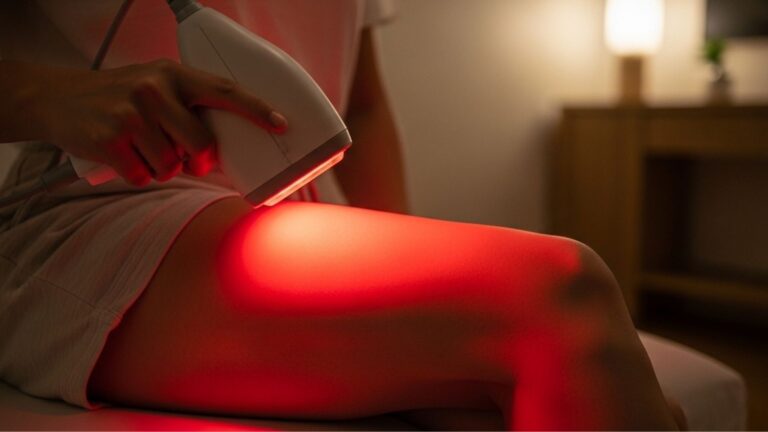
Epsom salt soaks offer soothing muscle relief with a touch of magnesium support. For a deeper recovery experience, infrared saunas can help relax muscles and encourage detoxification without cold exposure stress.
The method matters less than the intention: reducing inflammation, improving recovery, and supporting your body’s natural healing rhythm. Choose what aligns best with your comfort and consistency.
Read Also: Can You Put Epsom Salt In An Ice Bath?
When to Avoid Ice Baths Entirely
Ice baths aren’t safe for everyone — and that’s perfectly okay. If you have Raynaud’s disease, peripheral neuropathy, diabetes, or circulatory issues, cold exposure can be risky. These conditions affect how your body manages temperature and blood flow.
You should also skip ice baths if you’re healing from open wounds, skin infections, or recent surgery. Cold constricts vessels, which may slow healing in sensitive areas.
When in doubt, check with your healthcare provider first. Safe wellness practices start with understanding your body’s unique needs — not following trends blindly.
Expert Tips For Safe Cold Exposure Routine
If you’re ready to keep your ice baths consistent and safe, a few expert-backed steps can help you stay grounded and frostbite-free.
Here’s what I recommend:
- Always use a thermometer — never rely on guesswork.
- Start short and build slowly — even 2–3 minutes counts.
- Avoid caffeine or alcohol before cold therapy; both impair circulation.
- Keep a towel and warm clothes nearby for a gentle rewarming process.
- Watch your skin tone — pale or hard patches mean it’s time to stop.
- Journal your sessions — track duration, temperature, and how you feel after.
These steps might sound simple, but they’re what turn cold exposure from risky to restorative. The best recovery practices are the ones you can sustain safely.
Final Thoughts
Frostbite from an ice bath is rare — but it’s real when safety is ignored. The beauty of cold therapy lies not in endurance but in awareness. When you understand your limits and respect the body’s signals, the ice becomes a partner in healing, not harm.
I’ve seen countless people transform their wellness and recovery through mindful cold exposure — learning how to breathe through discomfort, not battle it. The key is balance: short sessions, safe temperatures, and deep respect for what your body is telling you.
Cold immersion isn’t about chasing extremes; it’s about finding calm in contrast. When practiced safely, it’s one of the most grounding, empowering forms of self-care you can give yourself.





Add your first comment to this post