

Should You Ice Bath Or Sauna First? The Right Order!


Last Updated on December 15, 2025
That heavy, achy feeling after a tough workout isn’t just fatigue, it’s your body asking for mindful recovery. The question many wellness enthusiasts face is simple yet surprisingly complex: should you ice bath or sauna first?
Both methods are powerful. One cools inflammation and soothes sore muscles. The other melts away tension, improves circulation, and clears the mind. But when you’re trying to choose between heat and cold, or how to combine them, the right order can make all the difference.
In my experience as a wellness and recovery consultant, the answer depends on your intention. Are you chasing muscle repair, deep relaxation, or full-body balance?
Today, we’ll explore the science, rhythm, and practical flow behind using both sauna and ice bath safely, and how to turn them into a ritual that restores more than just your muscles.
Understanding Ice Baths And Saunas In Recovery

Before diving into which comes first, let’s ground ourselves in how each of these therapies works. Both ice baths and saunas use temperature extremes to stimulate natural healing, but in opposite ways.
One constricts and restores, while the other expands and rejuvenates. Together, they form a yin-yang balance that supports muscle recovery, circulation, and emotional reset.
The Science Behind Ice Baths
Cold immersion triggers a process known as vasoconstriction, where blood vessels tighten, reducing swelling and inflammation after intense physical activity. This helps flush metabolic waste, like lactic acid, that causes soreness.
When you step into an ice bath, your body’s fight-or-flight response activates briefly, releasing norepinephrine, a hormone linked to improved focus and pain tolerance. Research suggests cold exposure can even support immune resilience and mental clarity.
It’s not just for athletes; anyone managing soreness or chronic fatigue can benefit. Cold therapy, when done mindfully, helps you build physical and emotional tolerance, an inner steadiness that translates beyond recovery.
The Science Behind Saunas
Saunas do the opposite. Heat causes vasodilation, expanding blood vessels and enhancing circulation. Your heart rate rises slightly, mimicking light exercise, while your body releases tension and detoxifies through sweat.
Studies show regular sauna use supports cardiovascular function and stress resilience. Heat exposure increases heat shock proteins, which protect cells and improve recovery time. Many people report feeling deeply calm yet re-energized afterward.
I often describe sauna therapy as a “reset for the nervous system.” It quiets the mind, softens muscle stiffness, and promotes a meditative state that prepares the body for deeper rest or contrast therapy.
Read Also: Can I Take Hot Shower After Ice Bath?
Should You Ice Bath Or Sauna First?
Here’s where clarity meets choice. The order of your hot and cold therapy sessions can change how your body responds to each. Whether your goal is faster recovery, reduced soreness, or emotional balance, understanding the right sequence helps you get the most from both.
Why Sauna First Works Best for Most People
Warming up in a sauna first prepares your muscles for contrast therapy. The heat increases blood flow, softens connective tissues, and opens pores, setting up the perfect foundation for cooling afterward.
Transitioning from hot to cold is also more comfortable. It’s gentler on the nervous system and prevents shock. Think of it as easing into restoration instead of forcing it.
This approach also enhances the benefits of both methods: you’re amplifying circulation through heat, then sealing recovery with cold. It’s a natural progression from relaxation to regeneration, something I recommend for most clients seeking balanced wellness routines.
When You Might Choose Ice Bath First
There are moments when cold therapy deserves to lead. If you’re facing acute inflammation, like swelling after an intense lift, long run, or injury, starting with an ice bath can help control damage before applying heat.
Cold immersion lowers tissue temperature quickly, which can minimize microtears and soreness. Once inflammation settles, sauna heat can promote nutrient delivery and healing.
Still, this sequence isn’t ideal for everyone. Those sensitive to rapid temperature shifts or prone to dizziness may find it too abrupt. Always listen to your body; recovery should restore, not shock, your system.
Understanding Contrast Therapy (Hot–Cold Combination)
The alternating use of sauna and ice bath is known as contrast therapy, a technique that’s gaining popularity among athletes and wellness enthusiasts. It involves moving between heat and cold to stimulate circulation, reduce soreness, and accelerate healing.
Each temperature shift acts like a workout for your vascular system. Blood vessels expand in heat, then contract in cold, pumping nutrients and oxygen throughout your body more efficiently.
Some sports medicine studies have shown faster recovery and less fatigue after alternating sessions.
What this really means is your body learns adaptability. You’re training not only muscles but also your nervous system to recover with rhythm and ease, a cornerstone of sustainable wellness.
How To Safely Combine Sauna And Ice Bath At Home

Sauna and ice bath pair beautifully when done safely. Whether you have a home setup or visit a recovery studio, mindful sequencing and proper timing are essential for a balanced experience.
This section will walk you through the practical steps, timing, and tips to create a soothing contrast therapy ritual that fits your recovery goals.
Ideal Timing and Sequence
A balanced session often follows a sauna → cool down → ice bath → rest cycle. Start with 15–20 minutes in the sauna to warm up muscles and activate circulation. Cool down for a few minutes in room air before easing into the ice bath for 5–8 minutes.
If your body feels comfortable, you can repeat this 2–3 times, ending with whichever temperature feels most grounding. Some people prefer finishing cold to reduce inflammation; others finish warm for relaxation. Both are valid, listen to your body’s cues.
Step-by-Step Routine Example
Here’s a simple routine I recommend for home or spa use:
- Begin with 15–20 minutes in the sauna at a moderate temperature.
- Take a short break to cool down naturally, avoid immediate transition.
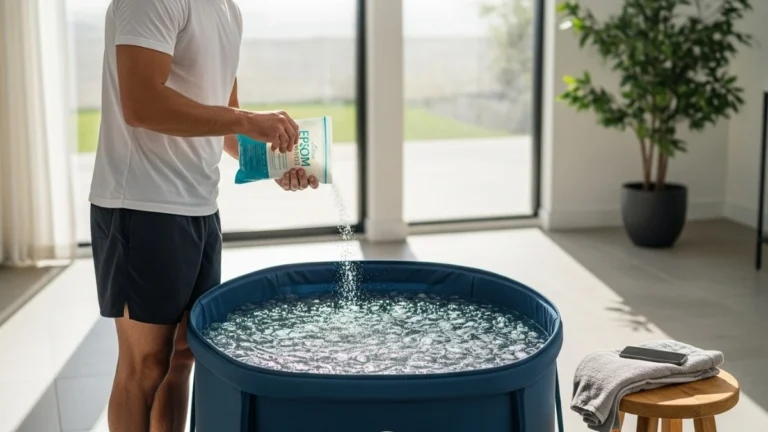
- Immerse in your ice bath for 5–8 minutes at 50–59°F (10–15°C).
- Rest quietly, breathe deeply, and hydrate.
- Repeat if desired, ending with the temperature that feels most restorative.
Consistency matters more than intensity. Think of it as training your body to regulate, not shock, its internal systems.
Best Temperature Ranges
For safety and comfort, stay within these ranges:
- Sauna: 160–190°F (70–90°C)
- Ice Bath: 50–59°F (10–15°C)
Colder doesn’t mean better. Extremely low temperatures can constrict muscles too much, delaying recovery instead of helping it. Warmth should be soothing, and cold should feel refreshing, not painful.
Maintaining these safe limits allows your body to adapt gradually and sustain the long-term benefits of contrast therapy without stress.
Safety Tips and Health Precautions
While temperature therapy can be deeply healing, it’s not for everyone. Those with cardiovascular conditions, pregnancy, or uncontrolled blood pressure should consult a healthcare provider first.
Avoid pushing limits. If you feel dizzy, short of breath, or disoriented, step out immediately. Always hydrate before and after your session, and give yourself time to rest afterward.
Start with shorter durations, maybe 10 minutes in heat and 3 minutes in cold, and build tolerance slowly. Mindful recovery is about respecting your body’s pace, not forcing it.
Post-Session Recovery Tips
Once your contrast therapy ends, your body continues to recalibrate. Support this phase by hydrating with electrolyte-rich water and nourishing foods.
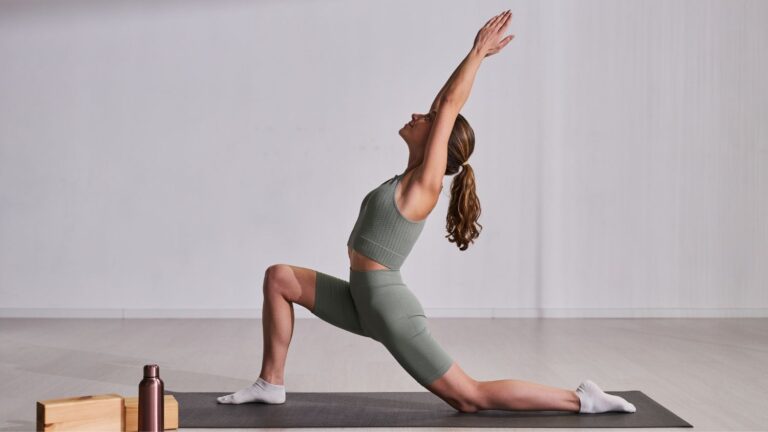
Stretch lightly to restore muscle length and ease any tightness. Many people find gentle yoga or breathing exercises afterward help deepen the relaxation effect.
Avoid alcohol or caffeine for a few hours post-session, as both can dehydrate and disrupt circulation. Instead, let your body rest quietly, this is where the real recovery unfolds.
Read Also: How To Do An Ice Bath At Home?
Benefits Of Sauna And Ice Bath Combination

When combined intentionally, sauna and ice bath therapy create more than just physical recovery, they invite balance between energy and calm. The transition between heat and cold challenges your body to adapt while enhancing circulation, relaxation, and mental clarity.
The real magic lies in the rhythm. Each temperature shift strengthens your vascular system and releases built-up tension. Let’s explore the layered benefits that make this duo a cornerstone of holistic recovery.
Enhanced Circulation and Detoxification
Alternating between hot and cold conditions trains your blood vessels to expand and contract efficiently. This vascular exercise boosts oxygen delivery to tissues and improves waste removal, essential for muscle repair and detoxification.
The warmth of the sauna helps your body open up, increasing blood flow and encouraging sweat to carry out impurities. Then, the cold phase directs circulation inward, flushing your system with renewed energy.
Over time, this repeated pattern strengthens cardiovascular health and promotes cellular renewal. Your skin may even appear brighter as circulation improves. It’s a deeply natural way to support detox, no supplements or complicated protocols required.
Muscle Recovery and Pain Relief
Sore muscles aren’t just uncomfortable, they’re signs of tiny microtears that need careful recovery. The heat-cold sequence works beautifully here.
Sauna warmth relaxes muscles, easing stiffness and improving flexibility. Cold immersion then soothes inflammation and prevents excessive swelling.
Studies on athletes show that combining sauna and ice bath recovery can reduce soreness and speed up muscle healing after high-intensity workouts. It’s not about pushing harder, it’s about recovering smarter.
What I love most about this method is its duality: heat invites expansion, cold encourages stillness. Together, they bring your body back into balance, something modern recovery often overlooks.
Stress Reduction and Mental Clarity
Physical recovery is only half the story. The contrast of heat and cold also regulates your nervous system, easing mental tension and emotional fatigue.
Sauna sessions activate your parasympathetic response, helping you unwind. The ice bath, though shocking at first, trains mental resilience and focus.
That post-session calm many describe? It’s real. Your body releases endorphins, while controlled temperature stress helps reset cortisol levels. Many people report feeling emotionally lighter, more centered, and mentally clear after alternating sessions.
It’s not just about muscles, it’s about mood. Creating time for this ritual becomes an act of mindful presence, grounding you in your body after a long or stressful day.
Long-Term Wellness Effects
With consistent practice, the benefits go beyond recovery days. Regular use of sauna and ice bath contrast therapy supports immune function, sleep quality, and emotional stability. Your body becomes more adaptable, better able to handle stress, fatigue, or temperature changes.
The repeated exposure teaches your system to self-regulate. Over time, you may notice fewer colds, deeper rest, and more balanced energy. This is why I often describe it as a “whole-body resilience practice.”
The most meaningful shift, however, is internal. Each session reinforces your connection to stillness and strength, a gentle reminder that balance is something we cultivate, not chase.
Research On Contrast Therapy
In my work as a wellness and recovery consultant, I’ve seen countless clients experience measurable improvements in both physical and emotional well-being after introducing contrast therapy into their weekly routine. And the science supports it.
What Research Reveals
Several studies have examined how alternating heat and cold impacts recovery and performance. Evidence suggests that contrast therapy improves muscle function, reduces soreness, and enhances lactate clearance compared to passive rest.
A 2023 study noted that the alternating temperature exposure increases blood flow and reduces delayed onset muscle soreness (DOMS) in athletes recovering from high-intensity exercise.
In simpler terms, it’s like giving your circulatory system a workout while letting your muscles rest. The result is faster recovery without the fatigue that often follows other recovery methods.
Real-Life Example: Recovery Meets Routine
Let’s look at one example. A recreational runner I worked with, let’s call her Layla, struggled with recurring leg soreness after long-distance training. After introducing a sauna-ice bath rotation twice a week, she noticed a clear difference within three weeks.
Her muscle stiffness reduced, her sleep improved, and her recovery time between runs shortened. But more importantly, she described feeling “mentally lighter” and more connected to her post-run wind-down routine.
That’s the essence of mindful recovery, it’s not just physical relief, it’s an emotional exhale your body learns to expect and appreciate.
Final Thoughts
Finding your balance between sauna and ice bath isn’t about strict rules, it’s about intention. For most people, starting with heat and ending with cold provides the best recovery rhythm, blending muscle relaxation with inflammation control.
But your wellness journey is personal. Some days call for warmth; others need the cool calm of water. What matters most is the awareness you bring into the process.
Whether you end your week surrounded by steam or submerged in ice, let it be a ritual of rest, renewal, and reconnection. Every session is an invitation to pause, to breathe, release, and trust your body’s quiet intelligence to restore itself.
Sources
- Yongxing Wang, et al. (2025). Integrated effects of cold acclimation: physiological mechanisms, psychological adaptations, and potential applications
https://www.frontiersin.org/journals/physiology/articles/10.3389/fphys.2025.1609348/full
- Jari A Laukkanen, et al. (2018). Cardiovascular and Other Health Benefits of Sauna Bathing: A Review of the Evidence
https://pubmed.ncbi.nlm.nih.gov/30077204
- Article on Wikipedia – Heat shock protein
https://en.wikipedia.org/wiki/Heat_shock_protein
- Kiera L. Vrindten M.B.S., et al. (2025). Thermal Modalities Including Hot Baths and Cold Plunges Play a Unique Role in Injury Prevention and Recovery
https://www.sciencedirect.com/science/article/pii/S2666061X25000690
- Fatimah Lateef (2010). Post exercise ice water immersion: Is it a form of active recovery?
https://pmc.ncbi.nlm.nih.gov/articles/PMC2938508
- Feiyan Xiao, et al. (2023). Effects of cold water immersion after exercise on fatigue recovery and exercise performance–meta analysis



Add your first comment to this post