

Is Pilates Good For Fat Loss? Research & Real-Life Results!


Last Updated on August 14, 2026
Many adults reach a point where intense workout plans feel exhausting, unrealistic, or simply incompatible with daily life. Between work responsibilities, family commitments, and the desire to care for your health without burnout, it’s natural to look for a more balanced approach.
That question often leads people to Pilates. Is Pilates good for fat loss, or is it mainly useful for flexibility and posture?
As a registered nurse and certified wellness and recovery consultant, I’ve seen this question come up repeatedly. The answer is more nuanced than social media headlines suggest.
Pilates can support fat loss, but not in the way many people expect. Its greatest strength often lies in helping people build consistency, improve body composition, and develop sustainable habits that support long-term wellness and recovery.
Let’s look at what the evidence and real-life experience actually show.
What Makes Pilates Helpful For Fat Loss?
Fat loss rarely depends on one workout alone. This section explains how Pilates contributes through improved consistency, muscle engagement, body awareness, and healthier lifestyle patterns that influence long-term results.
Understanding the Difference Between Fat Loss and Weight Loss
This distinction matters.
Weight loss refers to a reduction in total body weight, including water, muscle, and fat. Fat loss, on the other hand, specifically means reducing stored body fat while preserving as much lean tissue as possible.
Many people focus solely on the number on the scale. Yet body composition often tells a more meaningful story.
A person may maintain a similar weight while:
- Increasing lean muscle mass
- Reducing body fat percentage
- Improving strength
- Enhancing mobility
Pilates supports this broader perspective.
Why does this matter? Because sustainable wellness isn’t simply about becoming lighter. It’s about helping your body function better, move more comfortably, and remain resilient over time.
When readers ask me whether Pilates is good for fat loss, I encourage them to shift the question slightly:
“Can Pilates help improve body composition while supporting habits I can maintain?”
For many adults, the answer is Yes.
How Pilates Influences Energy Expenditure
Let’s address one of the biggest questions directly.
Does Pilates burn calories? Yes. However, the amount varies depending on session style, intensity, and duration.
A moderate mat Pilates session generally burns fewer calories than vigorous running or cycling. Reformer classes and more athletic Pilates formats may increase energy expenditure.
Quick answer:
Pilates contributes to the calorie deficit needed for fat loss, but it typically works best as part of a broader lifestyle approach rather than as the sole strategy.
Several factors influence calorie burn:
- Body size
- Exercise intensity
- Muscle engagement
- Session length
- Fitness level
A 20-minute Pilates routine performed consistently may ultimately be more beneficial than repeatedly attempting workouts you dislike and eventually abandon.
Consistency changes outcomes. Read my article on how many calories does Pilates burn.
The Role of Lean Muscle in Metabolic Health
Muscle matters more than many people realize.
Lean muscle mass plays an important role in supporting metabolic health. Muscle tissue requires energy for maintenance, contributing modestly to daily energy expenditure.
Pilates strengthens multiple muscle groups simultaneously, including:
- The core
- Glutes
- Back muscles
- Hip stabilizers
- Shoulders
- Legs
Unlike isolated exercise approaches, Pilates emphasizes controlled movement patterns and muscular endurance.
Can Pilates dramatically increase metabolism?
Not typically in the way aggressive fitness marketing suggests.
However, increasing strength and preserving muscle during fat loss can support healthier body composition changes over time.
This becomes especially important after age 30, when natural muscle loss gradually begins if strength-building activities are absent.
Consistency Matters More Than Intensity
This may surprise some readers.
High-intensity exercise programs often receive the most attention, yet they aren’t always the most sustainable option.
I’ve worked with adults who repeatedly started demanding routines only to stop within weeks because of fatigue, scheduling conflicts, or discomfort.
Pilates offers a different experience. It can feel:
- Accessible
- Adaptable
- Joint-friendly
- Time-efficient
- Enjoyable
Research consistently shows that people benefit from exercise they can continue doing.
Quick answer:
The best fat-loss exercise is often the one you can perform consistently enough to become part of your life.
Intensity has value. But consistency creates momentum.
A person practicing Pilates three to five times weekly for months may experience greater benefits than someone cycling through extreme plans that never last.
How the Mind-Body Connection Can Support Healthier Choices
Fat loss isn’t only physiological.
Emotional patterns influence eating behaviors, recovery habits, and exercise adherence.
Pilates emphasizes the mind-body connection through intentional breathing, concentration, and movement awareness.
Many participants report noticing:
- Reduced stress
- Improved body awareness
- Better recognition of hunger cues
- Greater appreciation for physical capability
- Less pressure to exercise as punishment
As a nurse, I’ve observed that people who develop a respectful relationship with movement often make more balanced health decisions overall.
Can Different Types Of Pilates Affect Fat Loss Results?
Not all Pilates sessions feel the same. Some emphasize controlled mat work, while others use equipment that adds resistance and variety.
Understanding these differences helps you choose an approach that fits your goals, preferences, and lifestyle rather than chasing the “perfect” workout.
How Mat Pilates Supports Body Composition Goals
Mat Pilates is often where many people begin.
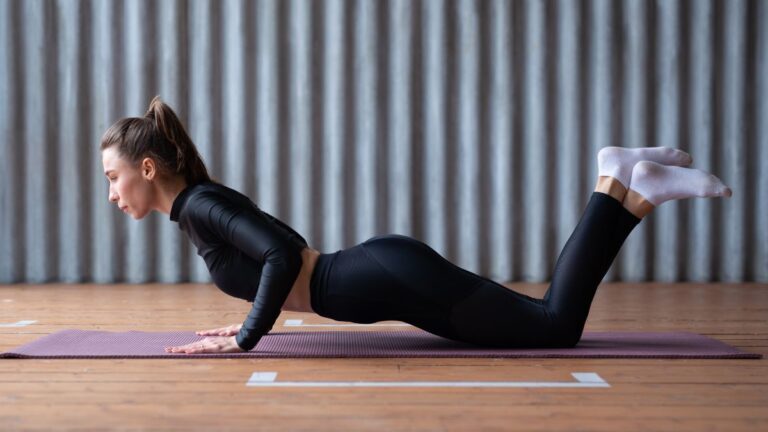
Using body weight as resistance, mat Pilates focuses on controlled movements that strengthen the core, hips, glutes, back, and shoulders. Sessions can range from gentle rehabilitation-style routines to more physically demanding flows.
Can mat Pilates help with fat loss?
Yes. Mat Pilates can support fat loss by increasing physical activity, improving muscular endurance, and helping you maintain a consistent exercise habit.
It also offers practical advantages:
- Minimal equipment requirements
- Flexible scheduling
- Lower financial commitment
- Easy access through home workouts
- Adaptability for beginners and experienced exercisers
As an expert in wellness and recovery, I often recommend mat Pilates to adults who feel intimidated by traditional gym environments. The simplicity removes barriers that frequently interfere with long-term consistency.
Here is a detaiked comparison of both types, Reformers Vs. Mat Pilates. Read it to learn which one is better for you.
What Reformer Pilates Adds to the Experience
If you’ve seen Pilates studios filled with spring-based machines, you’ve likely encountered the Reformer Pilates system.
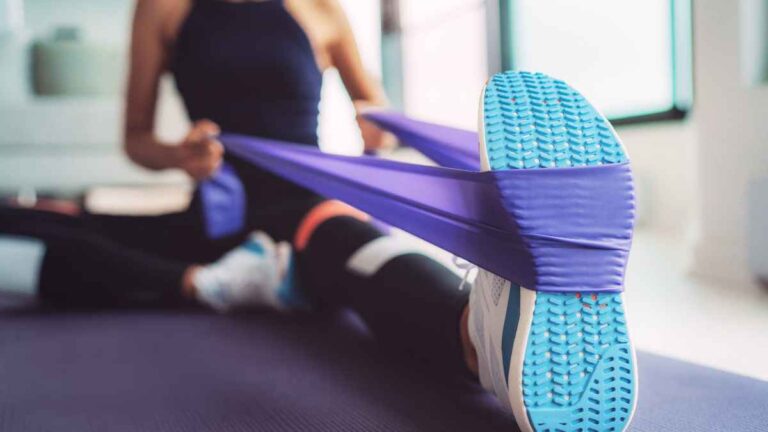
The reformer uses adjustable resistance to challenge muscles throughout a greater range of motion. This added resistance can create a different training stimulus compared with mat-based sessions.
Potential benefits include:
- Progressive resistance options
- Greater exercise variety
- Increased lower-body engagement
- Enhanced upper-body strengthening
- Support for movement modifications
Quick answer:
Reformer Pilates may increase muscular demand and calorie expenditure compared with gentle mat sessions, but both methods can support fat loss when practiced consistently.
Some people thrive in the structured environment of studio classes. Others prefer the convenience of home routines. Neither choice is inherently superior if it aligns with your ability to sustain it.
Also Read: Is Reformer Pilates Better Than Mat Pilates?
Comparing Calorie Expenditure Across Pilates Styles
Let’s talk numbers realistically.
One of the most common misconceptions is that all Pilates sessions burn the same number of calories. In reality, calorie expenditure varies considerably.
Several factors influence this:
- Session intensity
- Class duration
- Use of resistance equipment
- Body size and composition
- Movement pace
- Individual fitness level
Generally, more dynamic Pilates sessions tend to burn more energy than slower therapeutic routines. However, focusing exclusively on calorie burn can be misleading.
A workout that leaves you exhausted and inconsistent may contribute less over time than moderate exercise performed regularly.
The larger picture matters.
Fat loss depends on overall energy balance, not a single workout’s calorie count.
Pilates contributes to that equation, especially when paired with supportive nutrition and daily movement habits.
Matching Pilates Intensity to Your Fitness Level
More intensity isn’t automatically better.
I’ve seen individuals push into advanced classes before developing foundational strength and movement awareness. This approach often increases frustration and decreases confidence.
Pilates offers room for progression.
Beginners may benefit from:
- Basic mat exercises
- Modified movements
- Shorter sessions
- Slower pacing
Intermediate participants can gradually add:
- Longer routines
- Increased repetitions
- Resistance equipment
- More complex sequences
Why does this matter?
Because appropriate challenge supports consistency.
Choosing an intensity level that respects your current abilities allows you to build strength without feeling overwhelmed. Sustainable progress tends to outperform extreme efforts that cannot be maintained.
Choosing the Style You Are Most Likely to Maintain
This may be the most important consideration of all.
The “best” Pilates style isn’t necessarily the one associated with the highest calorie burn. It’s the one that becomes part of your weekly rhythm.
Ask yourself:
- Do I enjoy exercising at home?
- Does a studio environment motivate me?
- What fits my schedule?
- What feels financially realistic?
- Which option leaves me feeling energized rather than depleted?
A busy parent may thrive with 20-minute online mat sessions before work.
Someone who values accountability may look forward to attending reformer classes several times each week.
The most effective fat-loss routine is often the one you can return to consistently without resentment. That consistency builds trust in your ability to care for your body over time.
What Habits Help Pilates Support Fat Loss More Effectively?
Sustainable fat loss is rarely the result of one perfect workout. The habits that happen between Pilates sessions often determine whether progress feels steady or frustrating. These practices support both body composition changes and overall wellness.
Scheduling Pilates Sessions Consistently
Frequency matters.
Many people assume they need lengthy daily workouts to see results. In reality, consistency often has a greater impact than occasional intense efforts.
For most adults, a realistic Pilates routine may look like:
- 3–5 sessions per week
- 20–60 minutes per session
- A mix of gentle and moderately challenging workouts
- Built-in flexibility for busy weeks
Quick answer:
Doing Pilates regularly is more important than doing it perfectly. Three to five weekly sessions can support fat-loss goals when paired with healthy lifestyle habits.
I often encourage readers to schedule movement the same way they schedule appointments. When exercise becomes part of your routine instead of an afterthought, it requires less mental energy to maintain.
Also Read: How Many Pilates Classes Per Week?
Supporting Recovery Through Quality Sleep
Sleep influences far more than energy levels.
Poor sleep can affect appetite regulation, exercise recovery, mood, and decision-making around food choices. Chronic sleep deprivation may also disrupt hormones involved in hunger and fullness.
Helpful sleep habits include:
- Maintaining a consistent bedtime
- Limiting screens before sleep
- Keeping the bedroom cool and dark
- Reducing caffeine late in the day
- Creating a calming evening routine
Why does this matter?
Because fat loss happens within the context of overall health, not exercise alone.
Pilates supports recovery through mindful movement, but your body still needs adequate rest to repair tissues and adapt positively to training.
Managing Stress That May Influence Eating Patterns
Stress deserves attention in conversations about fat loss.
During periods of prolonged stress, many people notice changes in appetite, cravings, motivation, and energy. Emotional eating patterns can become more common when coping resources feel depleted.
Pilates incorporates breath awareness and controlled movement, which many participants find calming.
Additional stress-management strategies include:
- Journaling
- Spending time outdoors
- Talking with supportive people
- Practicing relaxation techniques
- Setting realistic expectations
Quick answer:
Pilates won’t eliminate stress, but its mindful approach may help people respond to stress with greater awareness rather than automatic habits.
The goal isn’t perfection. It’s creating enough space to make choices that align with your well-being more often than not.
Tracking Non-Scale Progress Markers
The scale tells only part of the story. Some of the earliest signs of improvement have nothing to do with body weight.
You might notice:
- Better posture
- Increased flexibility
- Greater core strength
- Improved balance
- Less discomfort during daily activities
- More confidence during exercise
These changes matter.
As an RN and wellness consultant, I’ve seen people become discouraged because the scale moved slowly while meaningful physical improvements were happening right in front of them.
Recognizing these wins can support motivation during periods when external changes seem gradual.
Adjusting Expectations Around Timelines
This is where many people become frustrated.
Social media often promotes dramatic transformations within unrealistic timeframes. Human physiology rarely works that way.
Quick answer:
Healthy fat loss is generally gradual. Improvements in strength and energy may appear within weeks, while noticeable body composition changes often require several months of consistency.
Progress depends on factors such as:
- Starting fitness level
- Nutrition habits
- Sleep quality
- Exercise frequency
- Age
- Stress levels
A slower pace isn’t failure. In many cases, it’s more sustainable and protective of long-term health.
Building Habits That Feel Sustainable
Sustainability isn’t exciting marketing language. It’s effective.
The healthiest routines are often surprisingly ordinary. They fit into daily life without requiring constant willpower.
Examples include:
- Morning Pilates sessions before work
- Walking after dinner
- Preparing balanced meals ahead of busy days
- Prioritizing bedtime routines
- Allowing flexibility during stressful periods
Ask yourself:
“What could I realistically continue six months from now?”
The answer usually provides more value than the most ambitious plan.
Avoiding Common Fat-Loss Mistakes
Good intentions sometimes lead people toward strategies that work against them.
Common mistakes include:
- Exercising excessively
- Skipping meals
- Restricting entire food groups unnecessarily
- Expecting immediate results
- Ignoring recovery needs
- Comparing progress to others
Wellness and recovery thrive through balance. Punishing approaches may create temporary changes but often prove difficult to maintain.
A steady approach typically supports better outcomes physically and emotionally.
Celebrating Improvements Beyond Appearance
Appearance-based goals are understandable. Many people begin exercising because they want to feel more comfortable in their bodies.
Yet over time, other benefits often become equally meaningful.
People frequently report:
- Feeling stronger carrying groceries
- Sitting with better posture
- Having more energy for family activities
- Experiencing less stiffness
- Moving with greater confidence
These experiences deserve recognition. Fat loss may be one outcome of Pilates, but improved quality of life often becomes the reason people continue.
Who Is Most Likely To Benefit From Pilates For Fat Loss?
Pilates isn’t the ideal choice for every person or every goal. However, certain individuals may find that its combination of strength, mobility, and mindfulness provides exactly the support they need to maintain healthier habits.
Adults Returning to Exercise After a Break
Starting again can feel intimidating.
People returning to exercise after months or years away often worry about injury, judgment, or choosing the “wrong” workout.
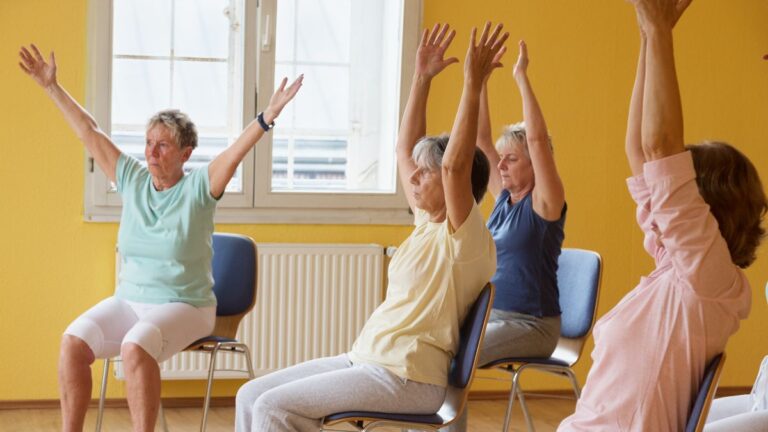
Pilates offers a gentle re-entry point. Its emphasis on control and alignment allows individuals to rebuild confidence gradually.
Benefits may include:
- Improved core stability
- Enhanced flexibility
- Better posture
- Progressive strengthening
- Increased body awareness
Quick answer:
Pilates can be an excellent starting point for adults returning to movement because it prioritizes gradual progress over intensity.
Beginning slowly isn’t settling. It’s creating a stronger foundation.
Individuals Seeking Lower-Impact Movement
Not everyone enjoys jumping, sprinting, or high-impact classes. Joint discomfort, previous injuries, or personal preference may influence exercise choices.
Pilates provides an alternative. Because many exercises are performed with controlled movements and reduced impact, participants often find them more approachable.
This may benefit individuals experiencing:
- Mild joint sensitivity
- Reduced mobility
- Recovery from inactivity
- Concerns about exercise-related discomfort
Lower impact doesn’t mean ineffective. When practiced consistently, Pilates still challenges muscles and contributes to overall energy expenditure.
People Recovering From High-Intensity Exercise Fatigue
More exercise isn’t always better.
Some individuals spend years cycling through demanding routines that eventually leave them mentally and physically exhausted.
Pilates introduces a different perspective. Rather than focusing solely on output, it encourages:
- Precision
- Breath control
- Stability
- Intentional movement
- Recovery awareness
I’ve worked with adults who regained enjoyment in exercise after shifting toward more balanced approaches.
Sometimes stepping away from extremes creates the consistency needed for lasting change.
Beginners Looking for a Sustainable Starting Point
Beginning something new often brings uncertainty.
- Will I keep up?
- Will I be strong enough?
Pilates classes commonly offer modifications that accommodate different experience levels.
Beginners can progress gradually by adjusting:
- Repetitions
- Range of motion
- Resistance
- Session length
- Exercise complexity
Quick answer:
Beginners can absolutely use Pilates as part of a fat-loss plan, especially when supported by realistic nutrition and movement habits.
Confidence grows through practice, not perfection.
Those Focused on Strength, Mobility, and Wellness Together
Many adults aren’t seeking dramatic transformations.
They simply want to:
- Feel stronger
- Move more comfortably
- Improve flexibility
- Support healthy aging
- Maintain independence
Pilates aligns naturally with these goals. Its whole-body approach emphasizes function alongside fitness.
For readers interested in wellness and recovery, this broader perspective often feels more meaningful than pursuing appearance changes alone.
Also Read: Can Pilates Make Me Taller?
When Pilates Alone May Not Meet Specific Goals
Balance matters here. Pilates offers many benefits, but it may not fully address every fitness objective by itself.
For example, individuals training for:
- Endurance events
- Significant muscle hypertrophy
- Competitive athletics
- Advanced cardiovascular performance
may benefit from incorporating additional training methods.
That doesn’t diminish Pilates’ value. It simply acknowledges that exercise selection should match personal goals.
Pilates can be a powerful part of a fat-loss strategy, even if it isn’t the entire strategy.
Some Questions about Pilates and fat loss
Can Pilates Help Reduce Belly Fat?
This is one of the most searched questions on the topic.
The short answer is “No.” Pilates cannot target belly fat specifically. The idea of “spot reduction” has not been supported by research. Exercises that strengthen the abdominal muscles do not selectively burn fat from that area.
However, Pilates can contribute to overall fat loss when combined with a moderate calorie deficit and consistent movement habits.
As total body fat decreases over time, some people notice changes in abdominal fat as well.
Pilates may also improve the appearance of the midsection by strengthening the core muscles, supporting posture, and enhancing body awareness.
How Many Times a Week Should I Do Pilates for Fat Loss?
Consistency matters more than occasional intense efforts.
Most adults benefit from practicing Pilates three to five times per week. This frequency provides enough stimulation to build strength and support regular movement while allowing adequate recovery.
The right schedule depends on factors such as:
- Current fitness level
- Time availability
- Recovery needs
- Other forms of exercise
- Personal goals
If you’re new to Pilates, starting with two or three weekly sessions can feel more manageable. As confidence and endurance improve, additional sessions can be added gradually.
The goal isn’t perfection. It’s creating a routine you can maintain long term.
Is Reformer Pilates Better Than Mat Pilates for Fat Loss?
Many people assume reformer classes automatically produce superior results.
The reality is more balanced.
Reformer Pilates may provide greater resistance and slightly higher energy expenditure, but both reformer and mat Pilates can support fat loss effectively.
Reformer Pilates offers:
- Adjustable spring resistance
- Greater exercise variety
- Increased challenge for some movements
Mat Pilates provides:
- Accessibility
- Convenience
- Lower cost
- Flexibility for home practice
The best choice often comes down to preference. A workout you genuinely enjoy is usually the one you’ll continue doing consistently.
How Long Does It Take to Notice Results From Pilates?
Patience can be difficult when motivation is high.
The timeline for noticeable changes varies based on nutrition habits, exercise frequency, sleep quality, and starting fitness levels.
Quick answer:
Many people notice improvements in posture, flexibility, and strength within several weeks. Visible body composition changes often require a few months of steady practice.
Early changes may include:
- Improved balance
- Better movement control
- Increased energy
- Enhanced core engagement
- Reduced stiffness
These signs of progress are meaningful, even if the scale changes slowly. Sustainable results tend to develop gradually rather than overnight.
Also Read: How Long To See Pilates Results?
Can Beginners Lose Fat With Pilates Alone?
Beginners often experience encouraging changes because almost any increase in activity can improve health markers.
Yes, beginners can lose fat while practicing Pilates, especially if they also adopt supportive nutrition and lifestyle habits.
Pilates can help newcomers:
- Establish exercise consistency
- Build foundational strength
- Increase daily confidence in movementImprove body awareness
- Create routines that feel manageable
That said, outcomes vary from person to person.
Some individuals may benefit from eventually incorporating walking, traditional strength training, or other activities alongside Pilates.
The important point is this:
You do not have to start with an extreme plan to make meaningful progress.
Final Thoughts – Is Pilates Good For Fat Loss?
Pilates isn’t a magic solution for fat loss, but it also shouldn’t be dismissed because it isn’t the most intense workout available.
Its value often lies in helping people move consistently, build strength, improve body awareness, and support healthier routines without feeling overwhelmed.
As a registered nurse and wellness consultant, I believe the most effective approach is one that respects both your physical health and your daily reality.
If Pilates helps you stay active, recover well, and care for your body with consistency, it can absolutely play a meaningful role in fat loss and long-term wellness.




Add your first comment to this post